

Acadia National Park Junior Ranger Program Offers Kids a Unique Way to Explore Nature
Acadia National Park’s Junior Ranger Program is a great way for your family to get more out of your visit. Kids take part in hands-on activities and work through age-appropriate challenges to learn about Acadia’s nature and history, and they earn a badge and certificate when they finish. It’s an interactive way to keep your children interested and engaged throughout your trip.

You can start by picking up a Junior Ranger activity booklet at one of the park’s visitor centers or nature centers. The program welcomes kids of all ages and gives them real chances to explore, ask questions, and discover new things about the park. For more details on how to join, visit the official National Park Service Junior Ranger page.
Earning the Junior Ranger badge is more than just a fun task — it helps your child notice things they might have missed and encourages curiosity about Acadia’s landscape and wildlife. The mix of games, workbook activities, and ranger-led talks makes learning easy and fun during your stay.
What Is the Acadia National Park Junior Ranger Program?
The Acadia National Park Junior Ranger Program gives you a chance to learn about the natural environment, wildlife, and cultural stories of Acadia. Kids and families can take part in many hands-on activities and interactive ranger programs during their visit.

Purpose and Mission
The main goal of the Junior Ranger Program at Acadia National Park is to help you connect with the park by exploring its forests, mountains, tidepools, and history. By completing a special activity booklet, you discover more about conservation, wildlife, and the park’s past.
The National Park Service wants every Junior Ranger to care for public lands and understand the importance of preserving nature for everyone. After finishing the required activities, participants take a pledge to protect parks and receive a badge as a sign of their efforts.
This program is designed for children, but families and adults are welcome to join as well. The activities make learning fun and can turn your trip into an adventure. For more details about the program, you can visit the official Acadia National Park Junior Ranger page.
History and Evolution
Junior Ranger programs began many years ago across several national parks. They were started by the National Park Service as a way to teach young visitors about the outdoors in an engaging way. Acadia National Park added its own program, with a focus on the unique features of its landscapes and local culture.
The Acadia program has grown to include booklets, ranger-led talks, and special events for kids. Over time, activities have changed to match new topics and interests, but the goal is always to help you learn by exploring and participating.
Earning a Junior Ranger badge at Acadia has become a tradition for many families. Each year, hundreds of children complete their booklets and take a pledge with a ranger. This badge is a sign of their new knowledge and their promise to protect national parks. For more on the history of the program, check the National Park Service Junior Ranger site.
How to Participate in the Junior Ranger Program
You can join Acadia’s Junior Ranger Program by visiting a park visitor center or Ranger Station. Kids and families get hands-on materials with activities that encourage learning about park wildlife, plants, history, and rules.

Where to Begin: Visitor Centers and Junior Ranger Stations
Start your visit at the Hull’s Cove Visitor Center or the Sieur de Monts Nature Center. Both locations have information desks and staff who can answer your questions about the Junior Ranger Program.
You can ask for a Junior Ranger booklet or activity book at these centers. The visitor centers provide maps and details about current Junior Ranger programming, including special events or ranger talks. Some ranger programs are on the park calendar, found on the Acadia National Park website.
Junior Ranger Stations may also be available in other parts of the park during busy times. Look for Junior Ranger banners or ask staff where to find them. You do not need an account or prior registration to start.
Registration and Materials
You do not have to sign up ahead of time. Registration is done in person at the park. Staff or volunteers will give you a free Junior Ranger booklet. Booklets are designed by the National Park Service and specific to Acadia.
Many booklets include lesson plans and a curriculum on nature, history, and how to be a good park steward. The book usually has a list of activities like wildlife observation, short hikes, or attendance at ranger programs.
You will also get a park map to help you find where to do the activities. If you lose your materials, you can return to the visitor center to ask for replacements. Some booklets are available online on the Acadia Junior Ranger Program page.
Age Groups and Activity Levels
The Junior Ranger Program is open to children ages 5 to 12, but older or younger kids are not turned away. Activities are divided by age to make sure they are right for every participant.
Younger kids usually have fewer or simpler tasks, while older kids might answer more questions or attend a longer ranger lesson. In your booklet, you will find icons or notes that tell you which activities are for your age level.
Some Junior Ranger programming is open to the whole family, so siblings and friends can work together even if they are different ages. Rangers will check your age and sign off when you finish the correct numbers of activities for your group.
Program Rules and Guidelines
To earn the badge and certificate, you need to complete all required booklet activities for your age group. Most activities must be done inside the park, like going on a short hike, watching wildlife, or talking to a ranger.
Be sure to follow park rules and stay on marked trails. Treat nature and historic sites with care, and do not collect plants or rocks.
After finishing your tasks, return to a visitor center or Junior Ranger Station. A staff member or ranger will check your work. Once you say the Junior Ranger pledge, you will receive your badge and certificate. This pledge asks you to help protect Acadia and share what you learned.
You can use the Acadia National Park Junior Ranger page to find more information and program updates before you visit.
Junior Ranger Activities and Badge Earning Process
Kids can take part in real nature projects, learn about Acadia’s history, and finish the Junior Ranger program by taking the special oath and earning a badge. Each step is designed for hands-on learning and family friendly fun.

Hands-On Nature Activities
At Acadia National Park, the Junior Ranger Program gives you a chance to get close to nature. You may use a special activity booklet to guide you as you complete tasks around the park. These usually include observing local wildlife, tracking birds, and learning about animal habitats.
You can join ranger-led walks and talks that teach about the area’s unique ecosystems, geology, and conservation. Some activities might be simple nature crafts, like leaf rubbings or drawing a favorite plant. Others focus on marine science, such as exploring tide pools or studying ocean life.
Look for ways to identify trees, spot birds, and even test your skills with games that teach biology lessons. Some tasks ask you to record what you see or answer questions about the natural world around you. All these activities help you learn about how everything in Acadia works together.
Cultural and Historical Exploration
As a Junior Ranger, you also get to explore Acadia’s history and culture. A special part of the program brings you to sites like the Carroll Homestead, where you can learn about the lives of early settlers and what daily life was like.
Some activities involve matching old photos to current views or watching short videos about local traditions. You might try simple hands-on projects, like making traditional crafts or trying out tools people used long ago.
You’re encouraged to ask questions during ranger programs and talk with your family about the history you see. Learning about past events and people helps you understand why Acadia is so unique today.
This mix of experiences shows how nature and history connect in the park. It helps you appreciate both the land and the people who have cared for it over time.
Junior Ranger Oath and Badge Ceremony
After finishing the activities in your booklet, you return to a visitor center or ranger station. A park ranger will check your work and talk with you about what you’ve learned. You then stand and take the Junior Ranger oath, where you promise to help protect the park’s nature and historic sites.
The Junior Ranger badge is handed out in a short ceremony. This badge — sometimes called a jr ranger badge — is a small but meaningful reward for your effort. You might also receive a certificate.
The short ceremony is welcoming and celebrates your achievement with your family. For many, this is a highlight of the Junior Ranger experience at Acadia. Find out more about earning your badge at the Acadia Junior Ranger website.
Additional Resources and Program Enhancements
You can deepen your Junior Ranger experience by using online activities, discovering special sites across Acadia, and planning your visit to take advantage of ranger programs and educational areas. These options make it easier to learn about the park from anywhere and help you prepare for a rewarding trip.

Virtual and Online Junior Ranger Programs
If you can’t make it to Acadia or want more ways to get involved, the park offers virtual and online Junior Ranger programs. These include interactive activities, printable booklets, videos, and digital badges for completing learning tasks.
Visit the Acadia National Park Junior Ranger page for downloadable materials and online activities. The site allows you to explore the park’s wildlife, geology, and history at your own pace. Some virtual programs include Q&A sessions with rangers over video calls or online events.
These resources are great for homeschooling, planning your in-person trip, or just extra fun before or after your visit. Online options make earning a badge possible no matter where you are.
Special Sites and Park Features
Acadia’s got a bunch of spots where you can dive into Junior Ranger activities and get a feel for the park. The Nature Center is a classic place to kick things off. You’ll find Junior Ranger booklets there, friendly rangers who actually seem happy to chat, and a bunch of hands-on exhibits about the local plants and animals — kids usually get hooked pretty quick.
Other must-visit places? Definitely the park campgrounds, visitor centers, and spots where rangers run talks or tours. There are special exhibits that cover Acadia’s tides, forests, and habitats — some of the best stuff is only at these sites, so it’s worth asking the staff what’s happening when you get there.
Outside, it’s hard to beat the tidepools, mountain trails, and beaches. A lot of the Junior Ranger program is tied to these places. You might find yourself doing a scavenger hunt, checking off wildlife sightings, or working through some creative activity that’s unique to wherever you are. It’s a pretty hands-on way to experience Acadia.
Planning Your Family Visit
Before you pack up for Acadia, it’s smart to check out the Junior Ranger materials online and pick a few activities that actually fit your plans. Download the booklet or bring a printed copy from the Junior Ranger website — saves time and hassle once you’re there.
Keep an eye on the park calendar for ranger talks and nature walks — these happen at the visitor centers, the Nature Center, and some of the more popular park spots. If you want a good seat or a chance to ask questions, showing up a bit early is usually a good move.
If you’re camping, most park campgrounds post info and activity sheets for the Junior Ranger program. Give yourself a little extra time at the hands-on sites so your kids aren’t rushed finishing up, and so they can actually pick up their badge from a ranger before you head out.
Make Your Visit Memorable with the Acadia National Park Junior Ranger Program
Becoming a Junior Ranger at Acadia National Park is a genuinely fun way for families to get outside together. The activities make you pay attention to details — plants, animals, even the park’s backstory — that you might not notice just hiking around on your own.
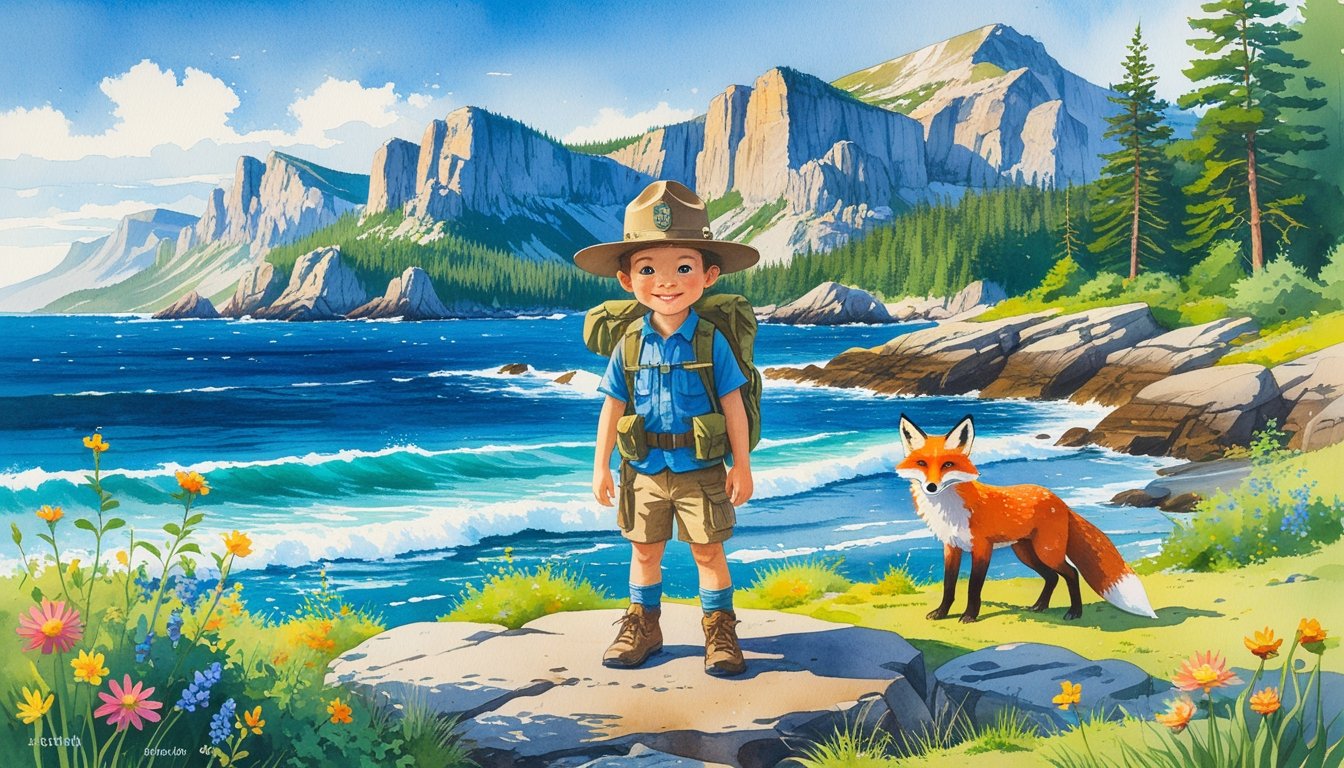
All the info you need to start (and the activity booklet) is right on the National Park Service Junior Ranger page. Or, just ask a ranger or stop by a visitor center when you arrive — they’ll set you up.
Once you’ve finished the booklet and maybe joined a ranger program or two, you’ll get your badge and certificate. Those little souvenirs are a nice reminder of what you did and learned together on your trip.
Thinking about other things to do in Maine? TM2 Maine’s got a handy list of top things to do in Maine — worth a look if you want more ideas for family adventures or just want to get the most out of your trip.
Frequently Asked Questions: Junior Ranger Program
1. What is the Junior Ranger Program at Acadia National Park?
The Junior Ranger Program is a free, self-guided activity that helps kids learn about Acadia’s nature, history, and conservation through fun, educational tasks.
2. What age group is the program designed for?
The program is best suited for children ages 5 to 12, but anyone interested — kids or adults — can complete the activities and earn a Junior Ranger badge.
3. Where do we get the Junior Ranger booklet?
You can pick up a free Junior Ranger activity booklet at the Hulls Cove Visitor Center, Sieur de Monts Nature Center, or other ranger stations in the park.
4. What kinds of activities are included in the booklet?
Activities vary by age and include scavenger hunts, drawing, writing prompts, and interactive tasks that encourage kids to explore trails, tidepools, and wildlife.
5. How long does it take to complete the program?
Most families can complete the booklet in a few hours over the course of a day, though it can be spread out over a longer visit to the park.
6. How do kids earn their Junior Ranger badge?
After completing the required number of activities in the booklet, kids return it to a ranger station to be reviewed. They’ll take a short pledge and receive an official Junior Ranger badge.


