

Cadillac Mountain’s Ecology: Protecting the Summit and Conservation Challenges
Cadillac Mountain stands as the highest point on the eastern seaboard of the United States, drawing countless visitors to Acadia National Park in Maine each year. This granite peak offers stunning views, but it also hosts a rare and delicate subarctic-alpine environment. Cadillac mountain’s ecology and unique ecosystem faces serious threats from both human foot traffic and climate change, with up to 16 percent of summit vegetation already damaged by visitors.

The summit area contains specialized plant communities that have adapted to harsh conditions over thousands of years. When you walk off designated trails, you risk harming these fragile plants and soils. These “social trails” – unofficial paths created by visitors – have become a major conservation concern, with about 300 such trails now cutting across the summit landscape.
You can help protect this special place during your visit. Staying on marked paths, avoiding stepping on vegetation, and learning about the mountain’s ecology all contribute to preservation efforts. Park rangers and conservation groups are working to restore damaged areas, but they need your cooperation to succeed.
Cadillac Mountain’s Distinctive Ecosystem
Cadillac Mountain hosts a rare subarctic-alpine environment that makes it special in the eastern United States. This ecosystem exists because of the mountain’s height, exposure to harsh weather, and thin soil conditions.
Native Flora and Fauna
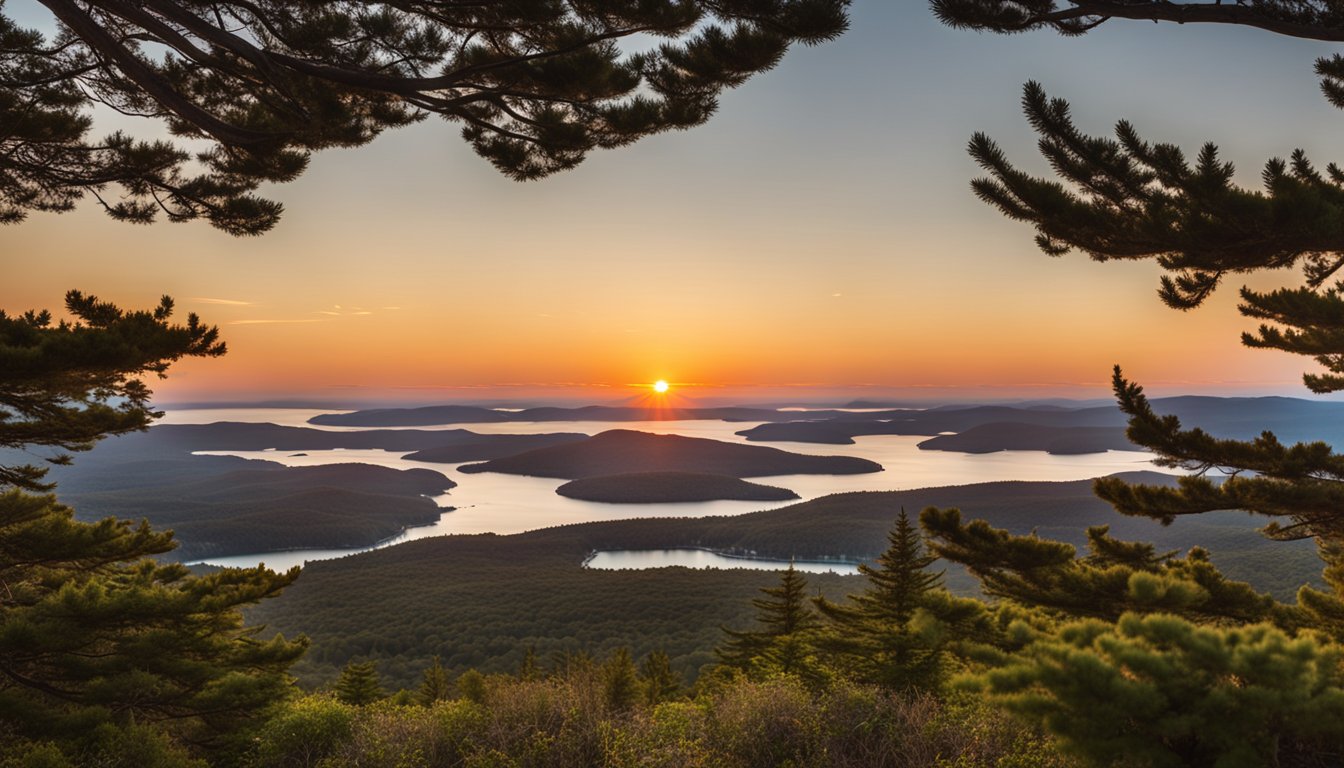
Cadillac Mountain’s summit creates a home for plants that normally grow much further north. Low-growing shrubs like mountain cranberry and black crowberry carpet the rocky areas. These plants have adapted to survive strong winds and cold temperatures by growing close to the ground.
Alpine plants like three-toothed cinquefoil and mountain sandwort thrive in the thin, acidic soil. These hardy species have special features like waxy leaves that help them conserve water during dry periods.

Wildlife on the mountain includes small mammals such as red squirrels and voles. Bird watchers might spot peregrine falcons hunting over the summit or warblers nesting in the shrubby areas. Many insects pollinate the mountain’s flowering plants during the brief summer season.
Climate Impact on Ecosystems
The mountain’s ecosystem faces extreme temperature swings throughout the year. Winter brings freezing temperatures, ice, and snow that can last into spring. Plants must survive under snow cover for months at a time.
Summer growing seasons are short but intense. Plants must flower, produce seeds, and store energy quickly. Some alpine plants have dark leaves to absorb more sunlight and speed up their growth cycle.
Fog and cloud cover provide critical moisture during dry periods. This natural irrigation helps sustain plant life when rainfall is scarce. The mountain can receive over 70 inches of precipitation annually, but summer droughts still stress the vegetation.
Challenges Facing Mountain Summits
Foot traffic poses a major threat to Cadillac’s fragile plant communities. When visitors walk off designated trails, they can damage slow-growing vegetation that might take decades to recover.
Climate change is altering the mountain’s ecosystem. Warming temperatures allow lowland plant species to move upslope, competing with native alpine plants. Changing precipitation patterns bring more intense storms and longer dry periods.
Soil erosion accelerates when plants are damaged or removed. The thin soil layer on the summit can wash away during heavy rain, leaving bare rock where nothing can grow.
Air pollution from distant cities can reach the summit and affect sensitive plants. Acid rain and ozone damage plant tissues and weaken their ability to withstand other stresses.
Conservation and Restoration Efforts
Cadillac Mountain faces significant challenges from human impact and climate change. Protection initiatives focus on preserving native plants, rebuilding damaged areas, and involving visitors in conservation work.

Protecting Native Plant Species
The unique alpine vegetation on Cadillac Mountain includes rare plants that have adapted to harsh conditions. These plants grow slowly and are easily damaged when visitors step off trails. Park rangers have installed low wooden barriers and educational signs to guide hikers and protect fragile growth areas.
The National Park Service works to remove invasive plants that threaten native species. Rangers regularly survey the mountain to identify and remove non-native plants before they spread.
Climate change poses a new threat to these plant communities. Scientists monitor how warming temperatures affect flowering times and growing seasons of alpine plants, helping develop future protection strategies.
Restoration Projects on Cadillac Mountain
The Summit Restoration project is a long-term effort to rebuild damaged areas where decades of foot traffic have worn away soil and vegetation. Workers carefully replant native species and stabilize soil in eroded zones.
The project uses:
- Local seeds and plants grown specifically for summit conditions
- Specialized soil mixtures that help plants establish quickly
- Natural stone barriers that blend with the landscape
Work typically happens during off-peak seasons to minimize disruption. Some areas are temporarily closed with signs explaining the restoration work to visitors.
The Alpine Stewardship program trains volunteers to help with planting work and educate visitors about staying on designated paths.
Partnerships and Community Involvement
Friends of Acadia plays a key role in funding and organizing conservation efforts. This nonprofit partner raises money for restoration work and coordinates volunteer programs throughout the park.
The Schoodic Institute contributes important research on plant communities and climate impacts. Their scientists work with park staff to monitor ecosystem changes and develop effective protection methods.
The Waterman Fund provides grants specifically for alpine conservation projects on Cadillac and other mountains in the region.
Local schools participate through educational programs where students:
- Learn about mountain ecosystems
- Help collect seeds for restoration
- Create art and writing projects about conservation
Visitors can join volunteer days during summer months to assist with basic restoration tasks under ranger supervision.
Visitor Impact and Management
Cadillac Mountain faces significant challenges from the high number of visitors it receives each year. The mountain’s fragile subalpine environment shows visible signs of damage from human activity.
Hiking Trail Maintenance
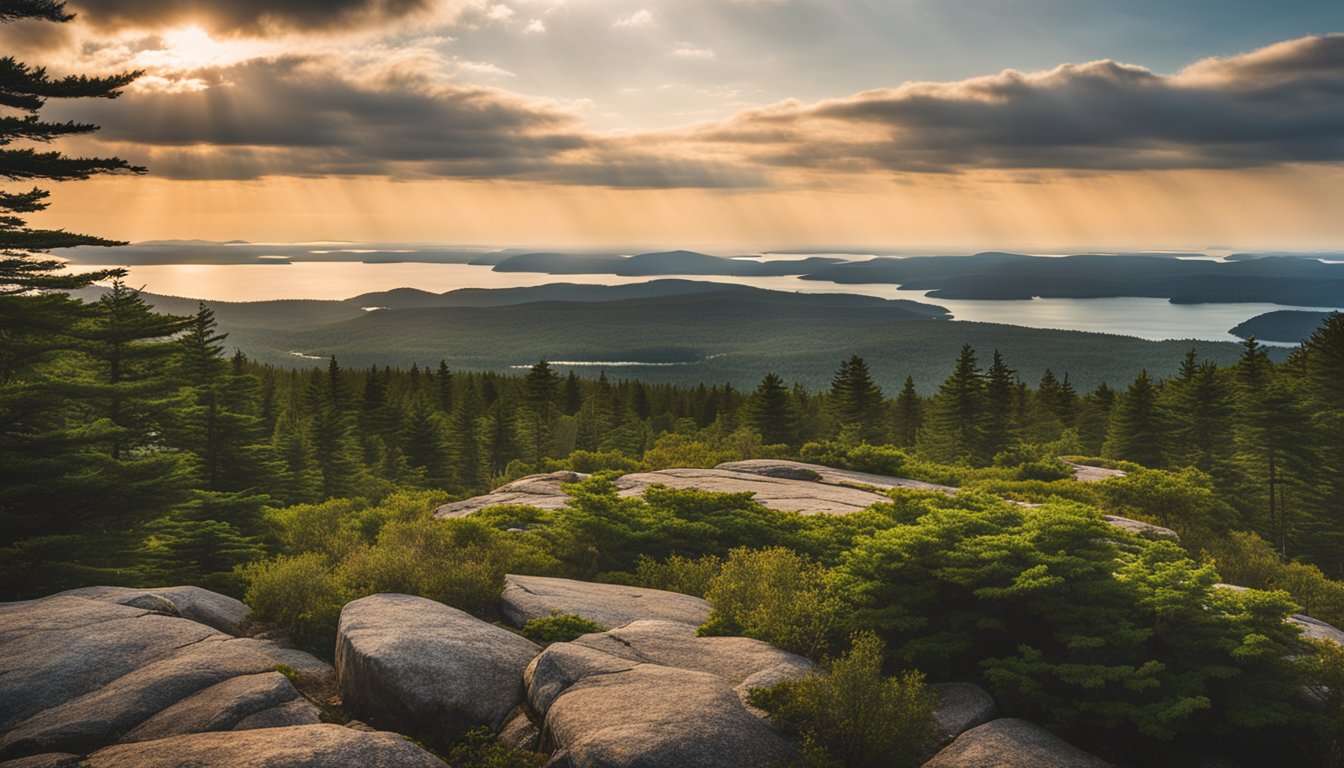
Visitor foot traffic causes serious problems for Cadillac Mountain’s delicate ecosystem. Many plants grow slowly in the harsh mountain environment and can’t recover quickly from being stepped on. When hikers go off designated paths, they create “social trails” that harm vegetation and cause soil erosion.
Park staff work hard to maintain official trails. They build rock borders, install signs, and place stepping stones to guide visitors and protect surrounding plants. Some damaged areas are roped off to allow recovery.
You can help by:
- Staying on marked trails
- Walking on rock surfaces when possible
- Never moving or stacking trail markers
- Reporting trail damage to park rangers
Managing Visitor Access and Traffic
As the highest point on the eastern seaboard, Cadillac Mountain draws crowds that can overwhelm the summit area. The National Park Service has created systems to better manage this popularity.
The vehicle reservation system, implemented to reduce congestion, requires visitors to book a time slot before driving to the summit during peak seasons. This helps spread out visitor numbers throughout the day.
Park rangers also monitor summit conditions and may temporarily close certain areas if they become too crowded or damaged. Educational programs at the visitor center teach you about the mountain’s fragile ecosystem before your visit.
You can plan your trip during less busy times (early morning or late afternoon) to reduce your impact. Consider visiting other beautiful spots in Acadia like Sargent Mountain when Cadillac is at its busiest.
Responsible Tourism and Visitor Guidelines
Visiting Cadillac Mountain requires careful attention to protect its delicate ecosystem. Every step you take can impact the rare plants and wildlife that call this mountain home.
Hiking Etiquette on Fragile Trails
Stay on marked trails when exploring Cadillac Mountain. The thin soil and rare plants off-trail can take decades to recover from a single footstep.
When hiking the Cadillac South Ridge Trail or Cadillac North Ridge Trail, carry out everything you bring in. Even biodegradable items like apple cores can harm native wildlife and introduce non-native plant species.

Give wildlife space and never feed them. Human food damages their natural foraging habits and can make them dependent on visitors.
Wear appropriate footwear to reduce trail erosion, especially on the popular Cadillac Summit Loop Trail. This short paved path receives thousands of visitors daily during peak season.
Avoid moving rocks or creating cairns. What seems like a harmless stack can disrupt habitats for small creatures and confuse other hikers about the true trail markers.
Educational Programs for Visitors
Join ranger-led programs to learn about Cadillac’s unique ecosystem. Park rangers offer daily talks at the summit during summer months, covering topics from geology to wildlife.
Visit the Hulls Cove Visitor Center before your mountain trip. The center provides exhibits and information about the mountain’s fragile alpine environment and proper visitor conduct.
Download the official Acadia National Park app for self-guided educational tours. The app features audio descriptions of key viewpoints along the Cadillac Summit Loop Trail.
Participate in citizen science projects when available. These programs let you help monitor plant growth, wildlife sightings, and environmental changes while learning about stewardship.
Check the park website for junior ranger programs if traveling with children. These programs teach young visitors about conservation through fun, interactive activities.
Supporting Conservation as a Tourist
Purchase a park pass. Your entrance fees directly fund trail maintenance, habitat restoration, and educational programs on Cadillac Mountain.
Volunteer for trail maintenance days if your visit coincides with these events. Even a few hours of helping clear drainage ditches or removing invasive plants makes a difference.
Report trail damage or wildlife issues to park staff. Being extra eyes for the park helps rangers respond quickly to new problems before they worsen.
Use shuttle buses when possible instead of driving to the summit. This reduces traffic congestion and air pollution affecting the mountain ecosystem.
Support local conservation groups like Friends of Acadia. These organizations partner with the park to fund important projects protecting Cadillac Mountain’s unique environment.
Choose environmentally responsible tour operators that practice and teach good stewardship ethics when booking guided experiences on the mountain.
Cadillac Mountain’s Ecology: A Fragile Balance
Cadillac Mountain stands as a natural treasure with its unique sub-alpine ecosystem. As the highest point on the eastern seaboard, it offers breathtaking views but faces serious challenges from heavy foot traffic.
When you visit, remember that each step can damage the fragile soil and rare plants that make this place special. Stay on marked trails and avoid walking on vegetation to help preserve this delicate environment for future generations.
The restoration efforts by Acadia National Park and conservation groups show progress, but visitor cooperation remains essential. Your choices matter — from following trail markers to learning about the mountain’s ecology before your trip.
Consider visiting during off-peak hours to reduce crowding impacts. Early morning or late afternoon visits not only help protect the mountain but often provide more peaceful experiences with nature.
Before planning your Acadia National Park adventure, take time to learn about responsible tourism practices. The mountain’s future depends on visitors who understand and respect its fragility.
By balancing enjoyment with conservation, you become part of the solution. Your mindful visit helps ensure Cadillac Mountain’s rare ecosystem will thrive for generations to come.
For tips, Acadia National Park attractions, and more visitor information, check out TM2 Maine’s Acadia National Park Visitor Guide. Use it to help your family discover everything Acadia National Park has to offer.

For more information on Acadia National Park, including hiking trails, scenic drives, camping options, and popular activities, explore our Acadia National Park Hub & Visitor Guide. Let us help you plan your perfect Maine vacation getaway to create memories that you and your family will cherish for a lifetime.


