

The Marvel of Sand Beach Geology in Acadia
You might be surprised to stumble upon a sandy stretch on the rugged, granite-clad coast of Mount Desert Island, but Sand Beach in Acadia National Park is just that — an outlier in Maine, and honestly, kind of a marvel. This small shoreline is famous for its soft, pale sand, which is actually made from finely crushed shells instead of the usual mineral grains. Sand Beach’s shell-sand blend is a true geological oddball on Maine’s rocky coast, and it’s absolutely worth a closer look.

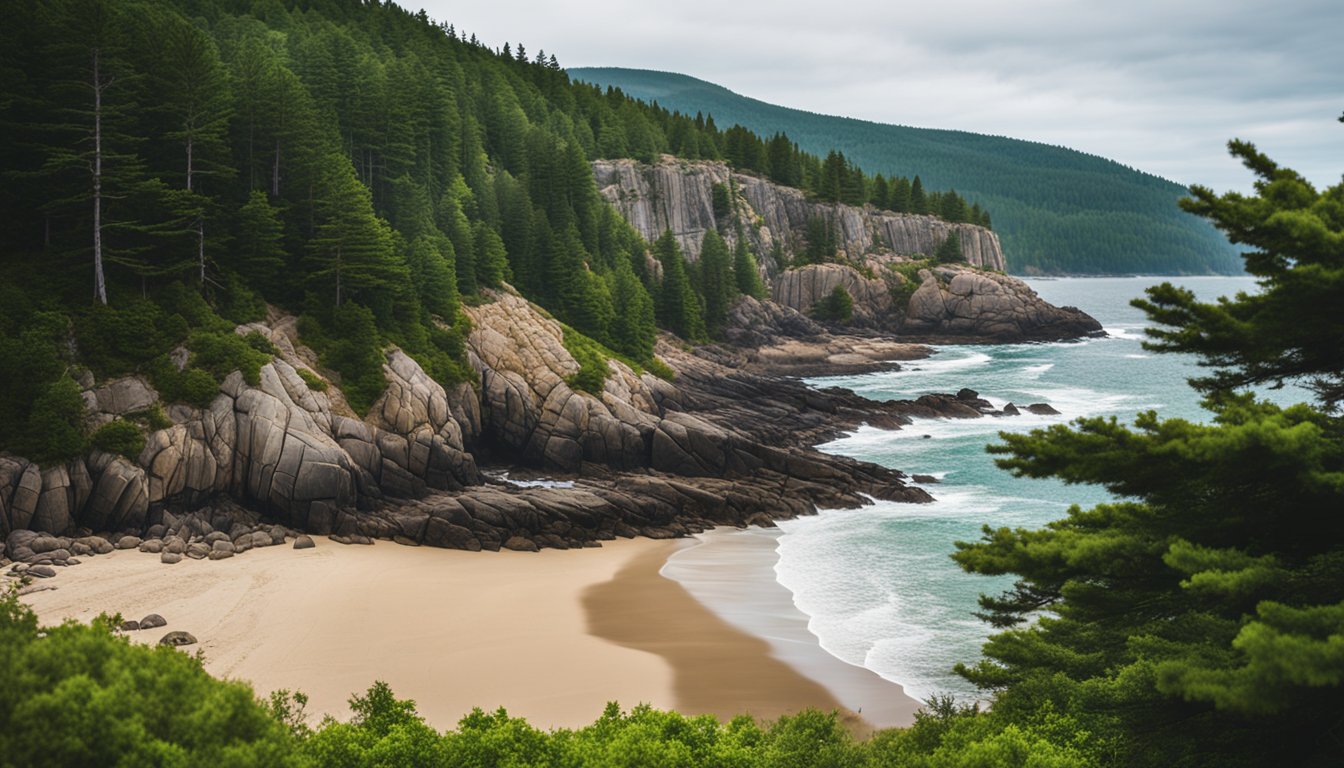
The contrast between the pale sand and the dark granite cliffs is striking — nature showing off, really. That difference is a result of thousands of years of unique natural processes. Since beaches like this are so rare in Maine, figuring out how Sand Beach formed — and why it’s so different from the jagged landscape all around — makes a visit here a bit more interesting.
The Unique Composition and Formation of Sand Beach
Sand Beach is a standout for its rare mix of minerals, crushed shells, and a glacial backstory, all shaped by the relentless Atlantic. It’s not like the typical Maine coastline at all.

Shell Fragments and Sand Composition
Most Maine beaches are all about coarse, dark rocks, but Sand Beach? It’s known for that light-colored sand. The secret is the sheer amount of ground-up shell fragments, especially from mussels and sea urchins.
Instead of mostly quartz, about 70% of Sand Beach’s grains are shell bits. That’s what gives the sand its soft, tan-pinkish look and a texture that’s smooth but still holds its shape underfoot.
The table below shows the typical composition at Sand Beach:
| Component | Approximate % |
|---|---|
| Ground Shells | 70 |
| Quartz and Rocks | 30 |
The waves are constantly breaking down shells, always topping up the beach’s unique surface. Granite debris from the cliffs gets mixed in too, but it’s the shell content that really sets the place apart.
Glacial and Geological History
Back in the day — thousands of years ago — giant glaciers covered this region, leaving behind a jumble of stones, sand, and clay. As they retreated, the glaciers scraped granite off Mount Desert Island, carving out those dramatic outcrops and cliffs you see today.
When the ice finally melted and sea levels rose, the ocean flooded the coast. Waves started moving glacial debris and marine material right into Sand Beach’s little cove. The granite headlands around it act like a natural trap, keeping all that shell-rich sand in place.
Influence of the Atlantic Ocean
Sand Beach faces northeast, straight into the teeth of the Atlantic. That means it gets hammered by waves and currents, especially when storms roll in.
Those waves grind up shells into sand-sized bits and toss them into the cove. Since the cove is small and partly shielded by granite, most of the shell material stays put instead of drifting off down the coast.
The constant movement of tides and surf builds up the shelly sand and keeps out the coarser, darker rocks that dominate elsewhere in Maine. The result? Sand Beach is a dynamic, ever-changing spot that’s still rare for New England.
Sand Beach’s Rarity on Maine’s Rocky Coast
Sand Beach is a real outlier — one of the very few sandy beaches along Maine’s mostly rocky, dramatic coast. It’s a neat glimpse at how geology and climate can line up just right to make something special.

Comparison with Other Maine Beaches
Granite and other hard rocks rule the Maine coast — they just don’t erode much, so you mostly see cliffs, boulders, and cobble beaches, especially by the Gulf of Maine.
Sandy beaches are honestly rare. Sand Beach is one of just a handful along over 3,500 miles of coastline. Places like Ogunquit and Popham are bigger, but their sand comes from rivers, not the ocean.
What’s different here is that Sand Beach’s sand comes mostly from crushed shells, not quartz or granite. That makes it finer, paler, and a lot less scratchy. When you walk here, you’re stepping on the remains of marine life — not the norm for this coast.
Formation of the Rocky Coastline
Maine’s coast was shaped by glaciers and big sea-level swings. When the glaciers retreated at the end of the last Ice Age, they scraped away softer stuff and left behind that tough granite and metamorphic rock.

Waves and tides have been pounding the shoreline ever since, breaking down anything softer but leaving the granite standing. That’s why you get all those cliffs and rocky outcrops.
Sandy sediments don’t stick around much here — rivers and streams bring in some, but the surf usually sweeps it away. Sand Beach formed in a rare, sheltered spot, so its shell particles had a chance to gather over millennia instead of being washed out to sea.
Role of Weather and Climate
Weather and climate play a big part in how Sand Beach formed and how it hangs on. The area gets a fair bit of rain, which speeds up both rock weathering and the breakdown of shells.
Strong storms, thanks to the North Atlantic, usually strip sand from most beaches. But Sand Beach’s position and those granite outcrops give it just enough protection to keep the sand in place.
The chilly waters of the Gulf of Maine are home to shellfish like mussels and sea snails. Their broken shells become the raw material for the sand, which explains the beach’s unusual texture and color — so different from quartz-based beaches elsewhere.
Geological Significance and Natural Surroundings
Sand Beach sits in the middle of some pretty wild granite formations, surrounded by freshwater and tidal ecosystems, all under the watchful eye of conservation efforts. These things shape both the geology and the vibe you get when you visit.
Surrounding Granite Landmarks
The area around Sand Beach is dominated by ancient granite. Great Head, a big granite bluff to the east, towers over the beach and is easy to spot from the sand.
To the west, you’ll see Cadillac Mountain — the tallest peak on the U.S. Atlantic coast — looming in the distance. Both landmarks were carved by glaciers, leaving behind cliffs, boulders, and outcrops that define the landscape.
These granite features don’t just frame the beach — they also drop cobbles and pebbles onto the shore. The contrast between the pale shell sand and the dark granite is a sight you won’t forget in a hurry.
Nearby Ponds, Lakes, and Salt Marshes
Freshwater spots aren’t far away. Jordan Pond, famous for its clear water, sits inland — a classic glacial basin in the park.
There are smaller ponds and kettle lakes scattered through the woods. Salt marshes, shaped by ocean tides, fill low spots behind coastal inlets. You’ll find all kinds of birds, amphibians, and plants in these wetlands.
This mix of lakes, ponds, and marshes adds a lot of variety. You get open water views, lush habitats, and a nice break from the rocky coastline.
Impact of Conservation Efforts
Acadia National Park works hard to protect Sand Beach and its surroundings. Trail crews keep paths in shape, native plants get restored, and there are steps to control erosion along the fragile shoreline.
Protecting dunes, marshes, and ponds keeps the area healthy for wildlife — and for people. There’s regular monitoring to manage foot traffic and keep crowd impacts down during busy times.
Thanks to these efforts, the granite headlands, unique shell-sand beach, and inland habitats will be around for others to enjoy down the line.
Access, Recreation, and Visitor Experience
Getting to Sand Beach is straightforward, and once you’re there, you’ve got trails, scenery, and classic coastal activities at your fingertips. People come for the views but end up staying for the experience.

Access via Park Loop Road and Island Explorer Shuttle Bus
Sand Beach sits right on Park Loop Road, Acadia’s main scenic drive. The parking lot is just a few miles from Bar Harbor, so it’s a quick trip for day visitors.
Parking fills up fast in summer and on weekends — no surprise there. The Island Explorer Shuttle Bus is a handy, car-free alternative, with stops at Sand Beach and nearby trailheads. It’s free, runs from late spring into fall, and connects with Bar Harbor, campgrounds, and other park spots.
Bike racks are near the parking lot. Restrooms and changing rooms are at the entrance, and there’s a paved path to the beach overlook — pretty accessible for most folks, including those with limited mobility.
Popular Trails and Scenic Overlooks
There are several hiking trails starting right by Sand Beach, each with killer views of the shore and cliffs. The Ocean Path heads south from Sand Beach toward Thunder Hole and Otter Cliff, with scenic stops and benches along the way.

Great Head Trail starts at the far end of Sand Beach and climbs quickly for panoramic Atlantic views. Across Park Loop Road, the Beehive Trail is a short but steep climb (think iron rungs and big drop-offs) with dramatic overlooks. Both trails are short but can be tricky — watch your step, especially if it’s wet.
If you prefer a short stroll, the beach itself has an overlook at the entrance — perfect for a quick ocean view or a sunset snap. Early mornings and evenings are quieter, good for stargazing or just avoiding the crowds.
Beach Activities and Ocean Temperature
People come to Sand Beach for sunbathing, picnics, and checking out tidal pools at either end when the tide’s out. Swimming is allowed, but the water stays cold all summer — rarely above 55°F (13°C). If you’re planning a real swim, you’ll want a wetsuit.

The shell sand is coarse but comfy for walking, with softer spots up near the dunes. Lifeguards are usually on duty during peak summer, and facilities are open then too.
Heads up: no grills, alcohol, or glass containers allowed. Seabirds are a common sight, adding to the natural, relaxed vibe. It’s a peaceful place — perfect for just soaking in the scene.
A Summary of Sand Beach Geology in Acadia: Where Soft Sand Meets Dramatic Granite Cliffs
Sand Beach’s shell-based sand stands out along Maine’s coast, where visitors usually find rocky shorelines instead. The beach’s sand comes mostly from crushed shells and pieces of marine life, giving it a distinct texture and light color.

This rare formation happened through thousands of years of wave action, erosion, and the breakdown of shells — an ongoing process you can witness on every visit. The setting adds another layer of interest for geology enthusiasts, nature lovers, and anyone curious about coastal landscapes.
- Location: Mount Desert Island, Acadia National Park, Maine
- Main Material: Crushed shells and bits of marine organisms
- Surroundings: Granite headlands, forested slopes, and cold Atlantic waters
If you want to see the unique beauty of Sand Beach for yourself, consider planning your next trip to Acadia National Park.

Visit TM2 Maine’s Acadia National Park Visitor Guide for practical tips, family travel ideas, and useful information to help get the most out of your adventure.
Frequently Asked Questions
Sand Beach’s composition stands out because it consists mostly of crushed seashells rather than typical quartz sand. Acadia’s bedrock history is visible in its mountains, rocky coastline, and unique mineral exposures.
What is the origin of Sand Beach’s unique sand composition in Acadia National Park?
Sand Beach is made up of about 70% crushed shell fragments, mostly from mussels, sea urchins, and other marine organisms. Wave action grinds up shells into tiny particles, creating a sandy shoreline that is rare on Maine’s largely rocky coast. This mix of shell material and some quartz creates pale, soft sand that distinguishes Sand Beach from others nearby.
How did the geological formation of Cadillac Mountain contribute to the landscape of Acadia?
Cadillac Mountain formed from the cooling and solidifying of magma beneath the surface around 420 million years ago. Uplift and erosion exposed the granite, sculpting dramatic peaks and ridges. Weathering and glacial action later shaped its rounded summit and contributed loose material to the surrounding area.
What role do sedimentary rocks play in the geology of Acadia National Park?
Sedimentary rocks appear in areas like parts of Mount Desert Island, showing layers deposited by ancient seas. These rocks contain information about past environments, including marine fossils. Their presence helps geologists trace Acadia’s former sea beds and shifting shorelines over time.
Can the presence of Ellsworth Schist be seen throughout Acadia National Park?
Ellsworth Schist, a dark, layered metamorphic rock, is especially visible near the island’s western areas. You’ll spot it in outcrops, cliffs, and along some trails. Its banded appearance contrasts with the surrounding granite, highlighting variations in Acadia’s bedrock.
Which tectonic plate underlies Acadia National Park, and how does this affect its geology?
Acadia sits atop the North American Plate. Past collisions with other plates contributed to mountain building, metamorphism, and volcanic activity. These events shaped the park’s bedrock and set the stage for extensive glaciation and erosion.
What processes led to the current geological structure of Acadia National Park?
Volcanic eruptions, tectonic movement, and metamorphism first shaped Acadia’s foundation hundreds of millions of years ago. Over time, repeated cycles of glaciation carved valleys, shaped mountains, and scraped away soil. These natural forces created the dramatic landscapes and coastline visible throughout the park today.

For more information on Acadia National Park, including hiking trails, scenic drives, camping options, and popular activities, explore our Acadia National Park Hub & Visitor Guide. Let us help you plan your perfect Maine vacation getaway to create memories that you and your family will cherish for a lifetime.


