

Sand Beach Through the Seasons for Outdoor Lovers
Sand Beach in Acadia National Park offers unique beauty and activities in every season, making it a must-see attraction no matter when you visit the Maine coast. In spring, you can walk along the quiet shoreline, watch the gradual return of seabirds, and take in the crisp ocean air. Summer brings warmer waters and opportunities for swimming, picnicking, and exploring nearby Acadia trails, while fall delivers vibrant foliage contrasted against the bright sand.
Winter transforms Sand Beach into a peaceful, snowy landscape, drawing photographers and outdoor enthusiasts who appreciate its quiet charm and dramatic scenery. No matter the month, you’ll find different views and experiences that highlight why Sand Beach remains such a popular spot in Acadia.
Sand Beach Across the Seasons: What to Expect
Sand Beach offers distinct experiences throughout the year, shaped by Maine’s weather, wildlife activity, and changing landscapes. Each season brings its own types of scenic views, visitor activities, and natural highlights.
Spring Awakening at Sand Beach
As winter fades, Sand Beach slowly comes to life with new growth and milder weather. Snowmelt reveals sandy stretches, and the sea air carries a crisp, refreshing scent. Tides are especially dynamic in the spring, and you’ll often spot seaweed and driftwood at the water’s edge.
Migratory birds return, making this a good time for birdwatching. Look for ducks, gulls, and sandpipers along the shoreline. Tidal pools left behind during low tide shelter crabs, small fish, and other marine life, which are easier to observe in the cooler months. Fewer visitors allow for quiet walks, and early wildflowers can sometimes be seen in nearby greenery edging the sand dunes.
Cool temperatures often mean the water is not suitable for swimming, but you can access the full stretch of sand for picnics or photography. The surrounding headlands start to turn green, contrasting with the pale sand and blue water.
Summer Highlights and Peak Activities
Summer is the busiest season at Sand Beach, especially from June through August. The 800-foot sandy shoreline fills with visitors swimming, sunbathing, or building sandcastles. The water remains cold even in summer, typically in the upper 50s (°F), but on warm days, some choose to swim or wade.

Popular activities:
- Relaxing on the sand
- Exploring tidal pools
- Walking the adjacent Ocean Path for coastal views
- Early morning or evening visits to avoid crowds
Wildlife, such as gulls and the occasional seal offshore, is frequently spotted. Gentle tides reveal rocks and tidepools near the edges, offering a chance to view small marine creatures up close. The surrounding sand dunes are off-limits to protect fragile vegetation, but provide impressive backdrops for photos.
Parking fills quickly, so arriving early in the day is recommended. Lifeguards are typically on duty during peak months.
Autumn’s Vibrant Colors and Tranquility
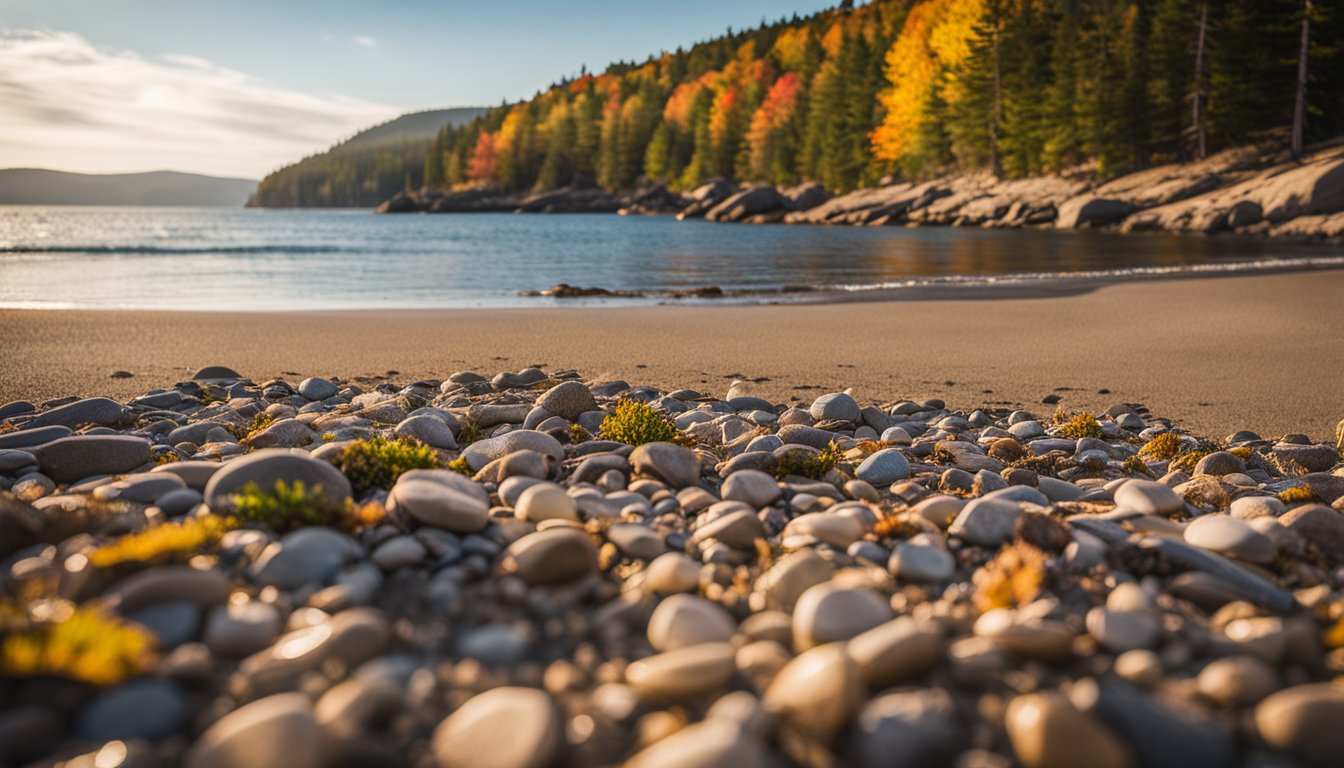
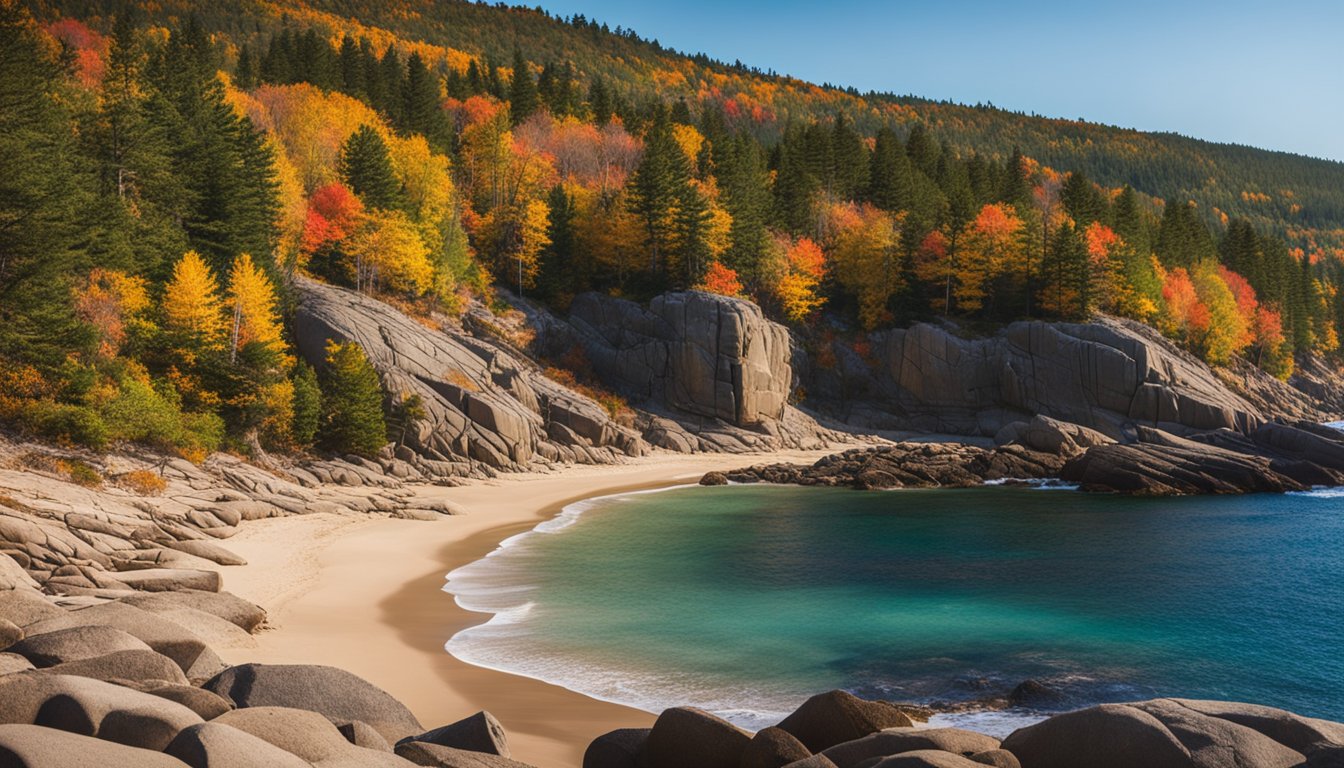
By September, crowds thin and the landscape transforms as Acadia’s famous fall colors peak. The surrounding forests turn vivid shades of orange, red, and yellow, painting a striking backdrop behind the sandy beach. Cooler temperatures make long walks along the shore comfortable.

Bird migration continues into the autumn, and you might spot both lingering shorebirds and raptors overhead. Tidal patterns can be dramatic, uncovering broad stretches of sand and rocky outcrops filled with marine life.
Many visitors come for photography, drawn by the contrast between the colorful trees, blue ocean, and pale sand. Afternoon light is softer, making sunsets over the water especially scenic. With quieter surroundings, you often find peaceful moments to listen to waves and watch wildlife undisturbed.
Winter Wonders and Serene Landscapes
Winter at Sand Beach brings a sense of isolation and quiet. Snow occasionally covers the sand, while ice forms along the rocks and tide lines. Park Loop Road is usually closed from December 1 to mid-April, but you can access the area on foot from parking lots outside the gates.

Few people visit during the coldest months, so it’s possible to have wide stretches of beach to yourself. Strong winds and tides reshape the shoreline, and ocean spray can freeze, creating unique patterns on the rocks and seaweed.
Wildlife sightings drop, but hardy seabirds are still present, riding offshore swells. The dunes and surrounding forest look stark, and tides may bring in scattered driftwood or washed-up sea wrack. Photographers often stop by to capture snow-meets-sand landscapes and the contrast of frosted dunes against the Atlantic.
Dress warmly, watch for icy paths, and enjoy the quiet beauty you find only in winter at Sand Beach.
Top Activities by Season
Sand Beach offers distinct activities as the months change. Each season provides different opportunities to experience the shoreline, surrounding trails, and night sky on Mount Desert Island.

Swimming and Beach Recreation
Swimming at Sand Beach is most popular from late June through August when water temperatures, though still chilly, are highest for the year. The sandy shoreline offers a spot for sunbathing and wading.
During early summer, you can set up picnics by the water or try frisbee and beach games. By September, the beach quiets down and the crowds thin, making for more peaceful shore walks. Water shoes are recommended; the ocean is cold even in midsummer, averaging 50-60°F.
You won’t find lifeguards, so swim at your own risk and always watch for sudden waves. Off-season, the beach is better suited for photographers and those looking for solitude.
Hiking and Trail Exploration
Sand Beach serves as a trailhead for several hikes that showcase Acadia’s varied terrain. Spring and fall are ideal for hiking, offering cooler weather and colorful foliage. The popular Ocean Path starts here, running along rocky cliffs with Atlantic views.

For a moderate challenge, the Great Head Trail provides panoramic vistas of the coast and beach below. The Beehive Trail nearby offers a steeper climb with iron rungs and ladders; it’s best tackled in dry, snow-free months for safety.
Consider combining hikes for a longer route. All trails are well-marked, and you’ll often encounter wildlife like songbirds and chipmunks along the way.
Tidepooling and Wildlife Spotting
Low tide reveals tidal pools teeming with fascinating sea life. Spring and early summer provide the best daylight hours for tidepooling, especially during lower, midday tides. Look for crabs, periwinkles, sea stars, and barnacles among the rocks.

Bring sturdy shoes with good grip, as the rocks can be slippery. Early mornings are less crowded and peaceful for observing nature quietly. In summer and fall, you may also spot shorebirds foraging for food.
Wildlife sightings in the Sand Beach area can include seals offshore and nest-building birds in nearby scrub. Always respect animal habitats and observe from a distance for their safety and yours.
Stargazing and Winter Activities
Sand Beach transforms in the quieter winter months, offering unique seasonal experiences. With fewer visitors and less ambient light, the night sky is ideal for stargazing — constellations and the Milky Way are often visible on clear nights.

Winter weather closes much of Park Loop Road, but you can still hike into the area for moonlit snowfall views or set up for night sky photography. For more active adventures, snowshoeing and cross-country skiing are popular along closed park roads and trails beginning near Sand Beach.
Pack extra layers and check weather forecasts before heading out. Camping trips in winter are challenging but can be rewarding for those experienced with cold-weather gear and preparation.
Year-Round Visitor Tips and Experiences
Visiting Sand Beach is a different experience depending on the season, weather, and how you plan your day. Knowing about transportation, available facilities, and nearby scenic stops helps you make the most of every visit.

Best Times to Visit and What to Pack
Sand Beach is open year-round, but each season brings its own atmosphere. Summer is the busiest, with warm temperatures and crowds from mid-June through September. Arriving before 8 a.m. or later in the evening increases your chances of a quieter visit and a nearby parking spot.
In spring and fall, there are fewer crowds and cooler air. Mornings can be chilly, so pack layers. Winters are cold, and the Park Loop Road near Sand Beach is usually closed from December to early April, limiting vehicle access — check road status before you go.
Bring a pair of sturdy shoes, a windbreaker, and sunscreen. During summer, a swimsuit and towel work well, but the ocean remains quite cold even in July and August. Off-season, waterproof boots and gloves are recommended. Always carry water, snacks, and a map—cell service can be unreliable along the coast.
Parking, Access, and Amenities
Parking at Sand Beach fills quickly, especially during summer weekends. The main lot is just off Park Loop Road, about 4 miles from the Bar Harbor park entrance. If the lot is full, you can take the free Island Explorer shuttle (operates late June to mid-October), which serves stops throughout Acadia, Bar Harbor, and the beach.

There are restrooms and changing rooms near the beach entrance, open mid-May through mid-October. In winter and early spring, expect these facilities to be closed. Accessible parking and pathways are available near the main lot, but some beach access points involve stairs or uneven surfaces.
To avoid tickets, always park only in marked spots. Pets are permitted in designated areas but must be leashed. Check the Acadia National Park website for updates on hours, fees, and facility closures before your trip.
Scenic Spots Near Sand Beach
Sand Beach is surrounded by several popular viewpoints and trails. Great Head Trail begins at the eastern end of the beach, leading to panoramic vistas over the Atlantic. Thunder Hole is less than a mile south on Park Loop Road, known for waves crashing dramatically into the rocks at high tide.
A short drive or shuttle ride north leads to Bar Harbor, where you’ll find restaurants, shops, and waterfront parks. Ocean Path is a well-marked trail running parallel to the coast, offering views of Otter Cliffs and beautiful sunrise spots — ideal for early risers.
For quieter scenery, head uphill to Beehive Trailhead across the road or enjoy sunset colors reflected on the sand when crowds thin out in the evening.
Exploring Nearby Acadia Highlights
Sand Beach puts you close to several scenic spots and popular trails in Acadia National Park. You can experience rugged coastlines, unique viewpoints, and forested paths, all a short distance from the sand.

Hikes and Trails Accessible from Sand Beach
A convenient hiking option is the Ocean Path Trail, which starts right at Sand Beach and runs along the coastline. The path leads you past dramatic cliffs and windswept pines, offering regular ocean views and access to natural features. The trail is relatively easy and popular for families or casual walkers.
For a steeper challenge, the Beehive Trail begins just across Park Loop Road from the beach parking lot. This route is known for its iron rungs and exposed ledges, rewarding you with sweeping views of Sand Beach and the surrounding forest from the summit.

Nearby, the Great Head Trail offers a combination of rugged coastline and panoramic ocean scenery. This loop hike starts at the eastern end of Sand Beach and circles around Great Head, providing dramatic vantage points and quieter spots away from crowds.
Iconic Sights: Thunder Hole, Great Head, and Otter Cliff
Thunder Hole is about a mile from Sand Beach along Ocean Path. This rocky inlet is famous for its thunderous booms caused by waves surging into a narrow chamber, especially during mid-tide. A viewing platform lets you experience the spray and sound up close.
 Thunder Hole in Acadia National Park
Great Head, accessible via its namesake trail, delivers expansive views of the Atlantic and Mount Desert Island’s shoreline. This headland also has historic remnants and more secluded rocky outcrops where you can relax above the surf.
Continuing south, Otter Cliff and nearby Otter Point are accessible via Ocean Path or by car. Otter Cliff is known for its dramatic vertical drop to the water and is one of the most recognized climbing spots in the Northeast. The rock ledges here are popular for picnics and photography.
Other Attractions on Mount Desert Island
Beyond Sand Beach, you can visit Cadillac Mountain by car or hike the Summit Loop Trail for panoramic views, especially at sunrise. The area around Jordan Pond is another favorite, with walking and biking paths through lush forests and around the clear, glacial pond.

Boat tours are available from Bar Harbor and nearby docks, offering a different perspective of the park’s islands and rocky coastlines. Biking options range from paved park roads to the historic carriage roads that wind through woodland scenery.
On the quieter east side of Mount Desert Island, the Schoodic Peninsula gives you access to more solitude, with rugged coastal trails and dramatic wave-battered rocks. This area has fewer crowds and is well-suited for those seeking a peaceful escape in nature.
Sand Beach Through the Seasons: An Experience All Year Long
Each season brings something different to your visit at Sand Beach.

In winter, you may find quiet, snow-dusted paths and the unique sight of icy waves meeting sand. Spring offers milder temperatures, returning birds, and blooming coastal flowers. Summer brings warmer days with water temperatures usually around 55°F, perfect for a brisk dip and relaxing on the sand. Autumn features colorful foliage and fewer crowds, making it an ideal time for peaceful walks and stunning coastal views.
| Season | Activities | Views |
|---|---|---|
| Winter | Walking, photography | Snow & ice on the beach |
| Spring | Hiking, birdwatching | Wildflowers, fresh greenery |
| Summer | Swimming, sunbathing | Blue skies, lively crowds |
| Fall | Nature walks, picnics | Colorful leaves, clear air |
Plan your trip to match the experiences you want most from Sand Beach.
For tips, Acadia National Park attractions, and more visitor information, check out TM2 Maine’s Acadia National Park Visitor Guide. Use it to help your family discover everything Acadia National Park has to offer.
Frequently Asked Questions
Sand Beach’s environment and available activities change noticeably with each season. Crowds, weather, water conditions, and scenic qualities all shift as the months pass, creating distinct experiences throughout the year.
What seasonal activities are available to visitors at Sand Beach in Acadia National Park?
You can walk and relax on the sand during any season, but swimming is most popular in the summer. Spring and fall are ideal for beachcombing, photography, and enjoying quieter paths along the shore. In winter, you may see visitors taking short walks, observing surf, or photographing the stark coastline. The beach itself is less crowded, and some nearby trails may be suitable for snowshoeing.
What can visitors typically expect to see at Sand Beach during the different seasons?
In summer, you’ll see many families and visitors sunbathing, swimming, and picnicking, with lush greenery framing the sand. Fall brings vivid foliage on the surrounding hills, making the area especially scenic and cooler weather draws fewer crowds. Winter showcases the beach’s rugged, wild beauty, often with a thin layer of snow or frost on the sand. Spring starts with cooler air, cold water, and the slow return of blooming plants along the shore.
How do water temperatures at Sand Beach vary throughout the year?
Water at Sand Beach is cold most of the year, typically ranging from the low 50s °F (10–12°C) during midsummer to much colder in spring and fall. In winter, water temperatures are near freezing. Swimming is possible in summer for those who can tolerate cold water. Even during July and August, the ocean rarely feels warm.
Are there any special natural events that occur at Sand Beach across the seasons?
In spring or early summer, you may spot migrating seabirds near the beach and occasional harbor seals offshore. Autumn sometimes brings dramatic high surf and sea spray during storms. Winter storms reshape the shoreline, revealing different patterns in the sand and sometimes creating patches of seafoam. Seasonal tides can also expose or cover parts of the rocky edges around the beach.
What is the ideal time of year to visit Sand Beach for swimming and sunbathing?
Mid-June through early September has the warmest air temperatures and the most sun, making this period the best for swimming and relaxing on the sand. The water stays cold, but July and August are the busiest and warmest months. Early fall offers smaller crowds and comfortable weather, but the ocean remains chilly for swimming.
How does access to Sand Beach and nearby attractions like Otter Cliff change with the seasons?
Park Loop Road, which leads to Sand Beach and Otter Cliff, remains open year-round, though some sections may close temporarily during severe winter weather or for maintenance. Parking is limited in all seasons but fills very quickly in summer. Winter access may be restricted after snowstorms, and some trails may be slippery due to ice or snow. Spring and fall generally allow for easy access, with fewer visitors and more available parking.

For more information on Acadia National Park, including hiking trails, scenic drives, camping options, and popular activities, explore our Acadia National Park Hub & Visitor Guide. Let us help you plan your perfect Maine vacation getaway to create memories that you and your family will cherish for a lifetime.


