

Stargazing on Cadillac Mountain: A Nighttime Adventure
Gazing up at the night sky from Cadillac Mountain offers one of the most breathtaking stargazing experiences in the eastern United States. Standing at 1,530 feet, this summit within Acadia National Park provides unobstructed views of the celestial landscape, free from significant light pollution. The mountain’s elevation and clear vantage points make it ideal for spotting constellations, planets, and even the Milky Way on cloudless nights.
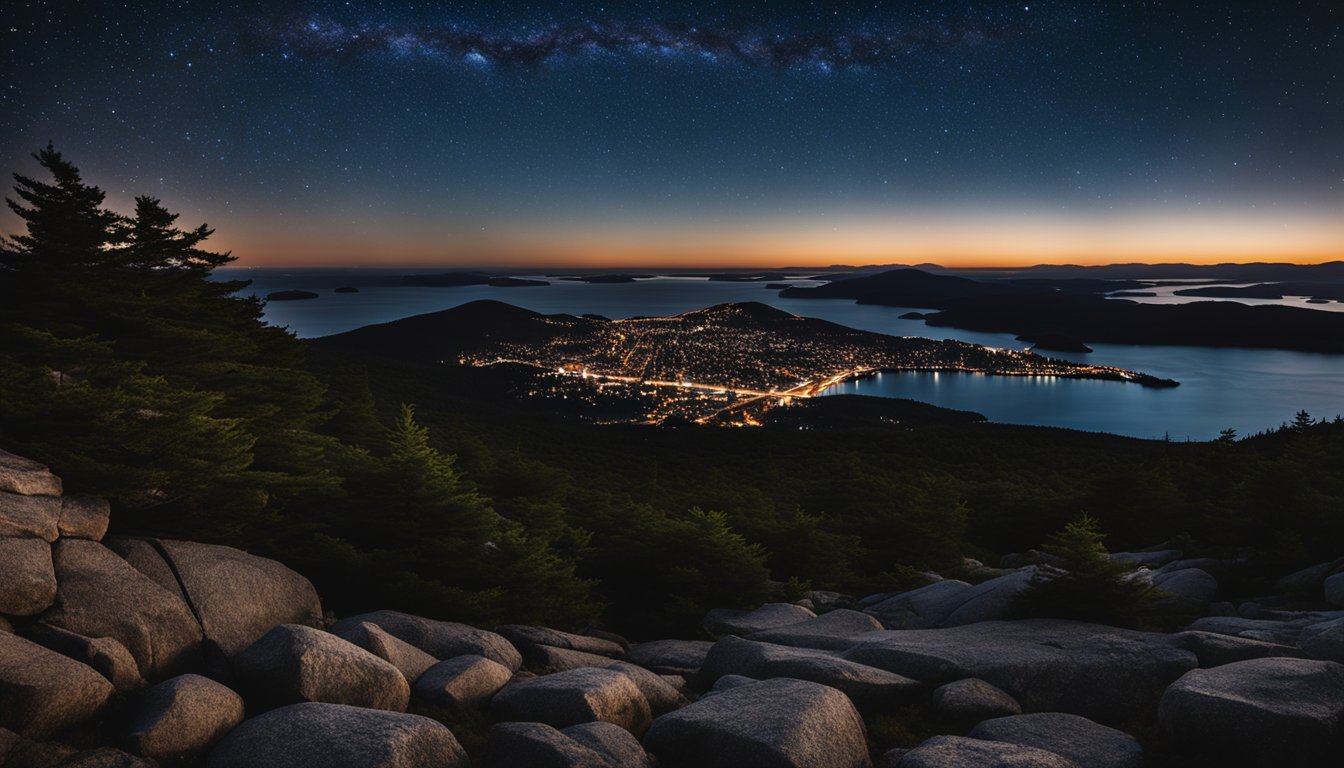
You can witness spectacular astronomical events from this unique location throughout the year. During spring and summer, look for meteor showers like the Perseids in August, while fall and winter bring exceptionally dark skies perfect for deep-space observation. The mountain’s vehicle access is limited during peak seasons, so planning your visit in advance helps ensure you can experience this natural wonder.
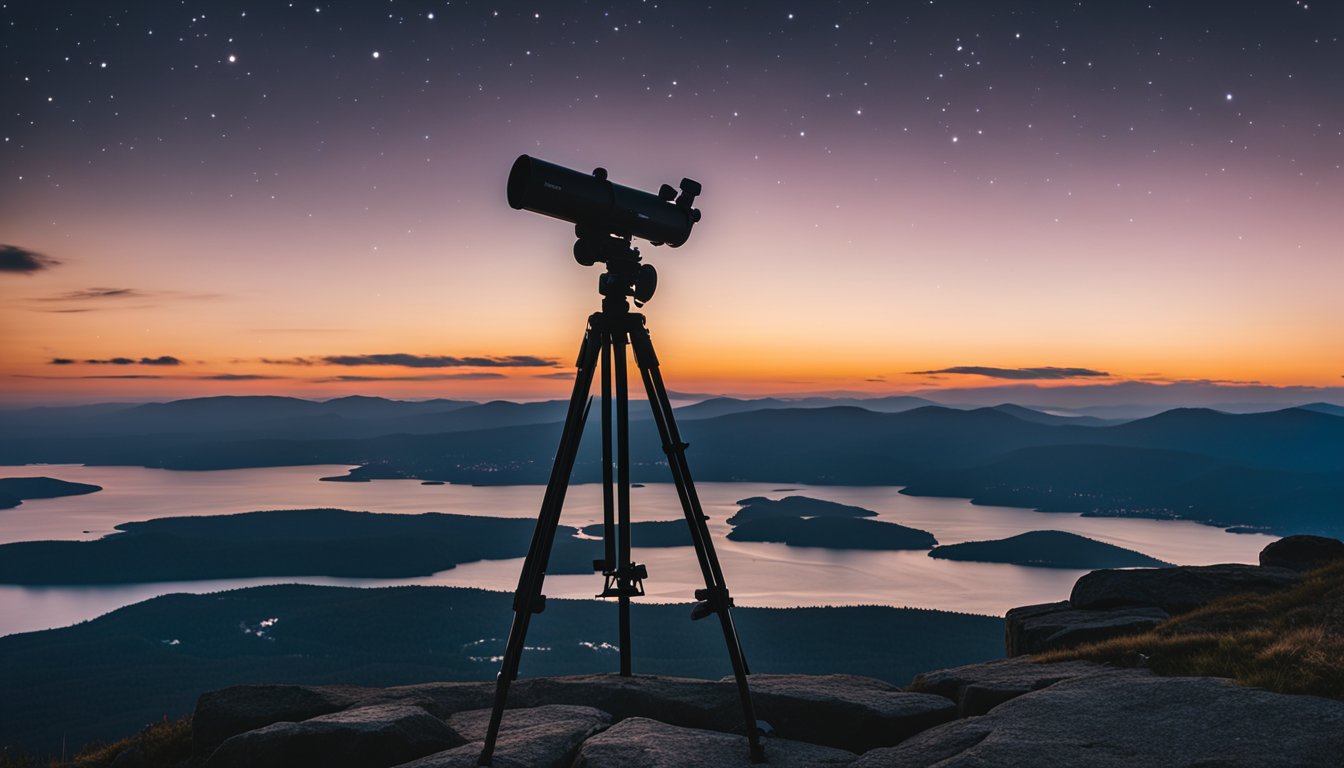
Whether you’re a seasoned astronomer or simply curious about the cosmos, Cadillac Mountain welcomes all stargazers. Bring your telescope for detailed views of celestial bodies, or simply enjoy the panorama with your naked eye. For photography enthusiasts, the combination of stars above and the Atlantic Ocean below creates stunning opportunities to capture the night sky in its full glory.
Why Cadillac Mountain Is Acadia’s Stargazing Crown Jewel
Cadillac Mountain rises above Mount Desert Island as the perfect astronomical observation point, combining ideal geographic positioning with minimal light pollution. The mountain offers stargazers unmatched views of the night sky in a setting that balances natural beauty with accessibility.
Unique Location on Mount Desert Island
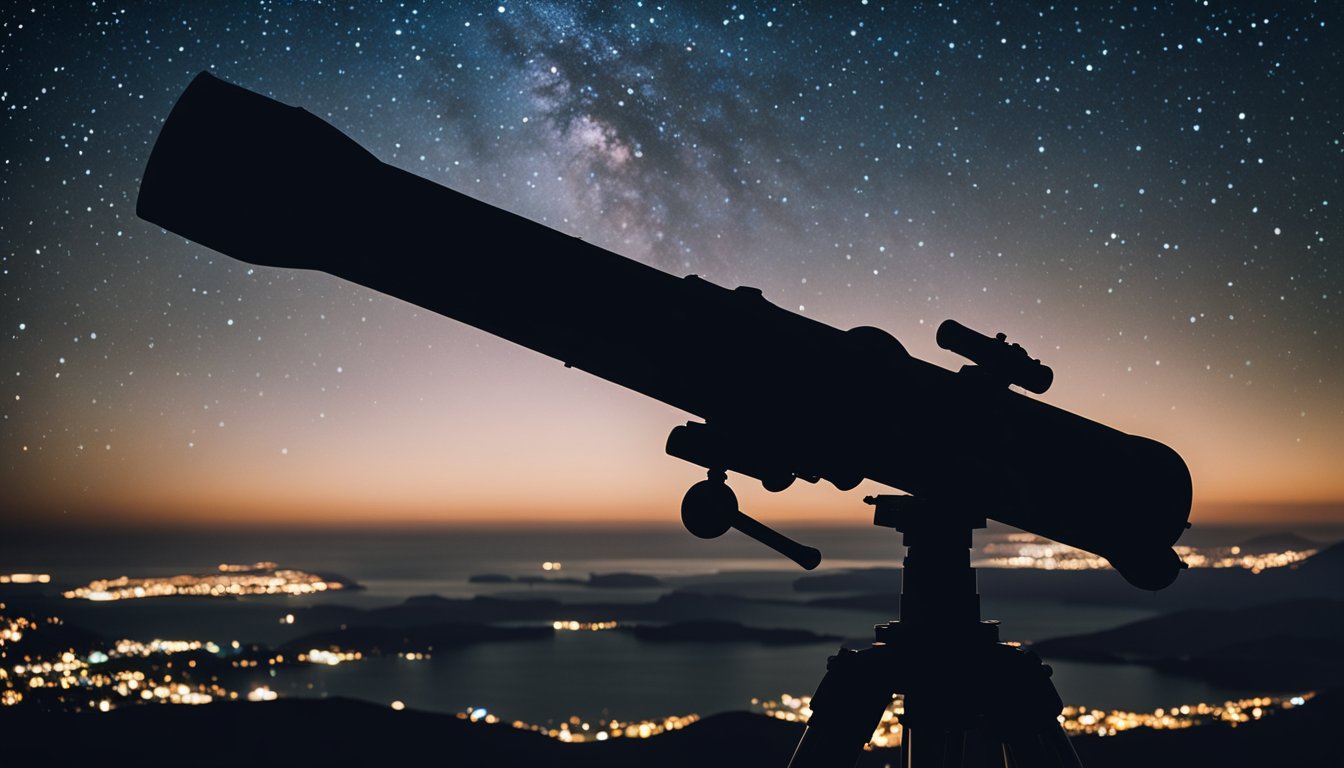
At 1,530 feet above sea level, Cadillac Mountain stands as the highest point on the North Atlantic seaboard. This elevation provides an unobstructed 360-degree view of the night sky, creating an immersive stargazing experience.
The mountain’s position on Mount Desert Island offers a rare combination of highland and coastal viewing. You can observe stars reflecting off Frenchman Bay and the Atlantic Ocean, adding a magical dimension to your stargazing.
The summit’s eastern location makes it particularly valuable for catching celestial events as they first appear over the horizon. This geographic advantage means you’ll often see astronomical phenomena before most other observers in the continental United States.
Weather patterns around Downeast Maine frequently create clear atmospheric conditions ideal for stargazing, especially during fall and winter months when humidity levels drop significantly.
Night Sky Quality and Low Light Pollution
Cadillac Mountain benefits from Acadia National Park’s commitment to preserving dark skies. The park maintains strict lighting ordinances, significantly reducing light pollution that typically interferes with astronomical observation.
The summit sits far enough from Bar Harbor to avoid most artificial light while remaining accessible. On clear nights, the Milky Way appears vividly overhead with remarkable detail visible to the naked eye.
The mountain’s night sky quality ranks among the best on the eastern seaboard, with darkness ratings that approach those found in more remote western parks. You’ll regularly see celestial features that remain invisible in most populated areas.
Common Night Sky Features Visible from Cadillac:
- Milky Way galaxy in striking detail
- Meteor showers with exceptional clarity
- Constellation patterns with fainter stars visible
- Occasional northern lights displays
Iconic Views and Notable Observation Spots
The summit’s Blue Hill Overlook provides one of the finest stargazing locations, offering both comfortable seating areas and open sky views. This spot combines ideal night sky exposure with protection from coastal winds.
Cadillac Summit features several natural rock formations that serve as perfect backdrops for astrophotography. These geological features can add dramatic foreground elements to night sky images.
The north ridge observation area offers particularly dark conditions with minimal residual light from nearby communities. This section of the summit is favored by serious astronomers setting up telescopes.
Several viewing platforms along the summit trail provide excellent alternatives when the main observation areas become crowded. These secondary locations often offer equally impressive celestial views with more privacy.
Accessibility and Vehicle Reservation System
The summit can be reached via a well-maintained paved road, making it one of the most accessible high-elevation stargazing spots in New England. This paved access allows you to bring telescopes and photography equipment with minimal effort.
Acadia’s vehicle reservation system helps manage visitor numbers during peak seasons. You’ll need to secure reservations through recreation.gov between late May and October if planning to drive to the summit.
The Oster parking area serves as an alternative access point during busy periods. This secondary lot connects to summit trails and offers its own impressive night sky views.
Park Loop Road provides nighttime access options during off-peak months when the reservation system isn’t active. During winter, the road closes to vehicles but remains open to hikers willing to make the trek for exceptional stargazing.
Best Stargazing Times and Astronomical Events
Timing is everything when it comes to stargazing on Cadillac Mountain. The right conditions — clear skies, minimal moon interference, and seasonal celestial events — can transform your night sky experience from good to extraordinary.
Peak Stargazing Season in Acadia
Summer and early fall offer the most rewarding stargazing opportunities on Cadillac Mountain. From June through October, you’ll find warmer temperatures and more reliable weather conditions, making nighttime mountain visits more comfortable.
The best viewing typically occurs between late July and early September when humidity levels drop and skies tend to be clearest. During this period, astronomical darkness arrives between 9:30 PM and 10:00 PM, giving you ample time for night sky observation.
For optimal viewing, plan your stargazing excursion on moonless nights or during the new moon phase. The Acadia region experiences less light pollution than many other East Coast destinations, especially after 11:00 PM when local businesses close.
Weather patterns can change quickly on the mountain, so check forecasts specifically for cloud cover, visibility, and wind conditions before heading out.
Major Celestial Events and Meteor Showers
Several meteor showers provide spectacular viewing opportunities from Cadillac Mountain throughout the year:
- Perseids (August 11-13): Often the year’s most vibrant shower with up to 60 meteors per hour
- Geminids (December 13-14): Exceptionally bright meteors, though cold temperatures make viewing challenging
- Orionids (October 20-21): Moderate shower coinciding with pleasant fall weather
The northern lights (aurora borealis) occasionally make appearances over Acadia, particularly during periods of high solar activity. While not guaranteed, fall and winter months offer the best chances to witness this phenomenon.
Major planetary conjunctions and alignments occur throughout the year. In 2025, notable events include Venus and Jupiter alignments in May and spectacular Saturn viewing opportunities in August and September.
Visibility of the Milky Way and Planets
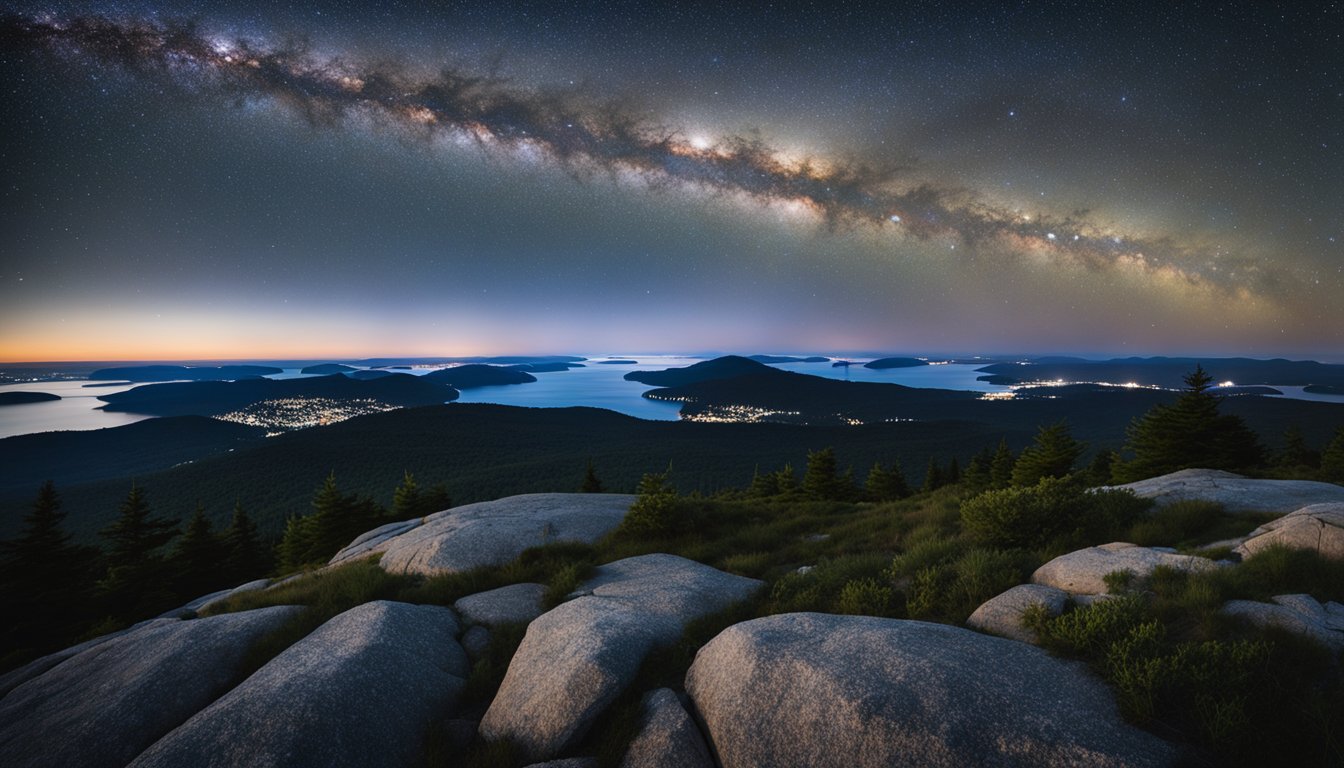
The Milky Way becomes visible on Cadillac Mountain about 90 minutes after sunset during summer and early fall. Its brightest section—the galactic core—appears as a misty band stretching across the southern sky.
August and September provide prime Milky Way viewing when the galactic center is positioned optimally above the southern horizon shortly after darkness falls. The view is particularly striking around 10:00 PM to midnight.
For planet observation, Jupiter and Saturn offer impressive viewing with even small telescopes or binoculars. Mars appears prominently during its close approaches to Earth, with the next favorable viewing period occurring in late 2025.
Venus shines brilliantly as either a “morning star” or “evening star” depending on its position relative to the Sun. Mercury proves more challenging to spot but is occasionally visible low on the horizon shortly after sunset or before sunrise.
Acadia Night Sky Festival and Star Parties
The annual Acadia Night Sky Festival (typically held in September) celebrates the park’s exceptional dark skies with a four-day program of events. The festival features telescope workshops, night photography sessions, and guided stargazing excursions on Cadillac Mountain.
Professional astronomers lead presentations on celestial phenomena and current astronomical research. Many events are family-friendly with special programming designed for young stargazers.
Organized star parties occur regularly during summer months, bringing together amateur astronomers who share their telescopes and knowledge with visitors. These gatherings typically begin around 9:00 PM at designated locations on the mountain.
For a more personalized experience, several local astronomy groups and tour operators offer guided night excursions to Cadillac Mountain throughout the peak season. These guided trips provide equipment and expert interpretation of the night sky.
Stargazing Tips and Essential Gear
Preparing for a night of stargazing on Cadillac Mountain requires both knowledge and proper equipment to make the most of your experience under Acadia’s dark skies.
Choosing the Right Observation Point
The summit of Cadillac Mountain offers panoramic views, but several less crowded spots provide excellent stargazing opportunities. The Blue Hill Overlook, located just below the main summit, offers similar visibility with fewer people during peak times.
Parking areas along the Summit Road also provide good vantage points if the main lot is full. These secondary locations sometimes offer better protection from wind, which can make a significant difference in comfort during cooler months.
For meteor showers or special celestial events, arrive early to secure your preferred spot. The mountain’s eastern exposure makes it particularly good for observing objects rising over the Atlantic Ocean.
Weather conditions can change quickly on the mountain, so check forecasts specifically for Cadillac Mountain rather than just Bar Harbor or the broader Acadia region.
Recommended Stargazing Apps and Star Maps
Several mobile applications can enhance your stargazing experience significantly. Sky Guide, Stellarium, and Star Walk allow you to identify celestial objects by simply pointing your phone toward the sky.
These apps also provide notifications about upcoming astronomical events visible from your location. Many include night mode features that preserve your night vision by using red-tinted displays.
Essential apps for Cadillac Mountain stargazing:
Traditional paper star maps and planispheres also work well and don’t require batteries. The advantage of physical maps is they never lose power and help you learn constellations more thoroughly.
Consider downloading offline maps in your apps before heading up, as cellular service can be spotty on parts of the mountain.
Using Telescopes and Binoculars
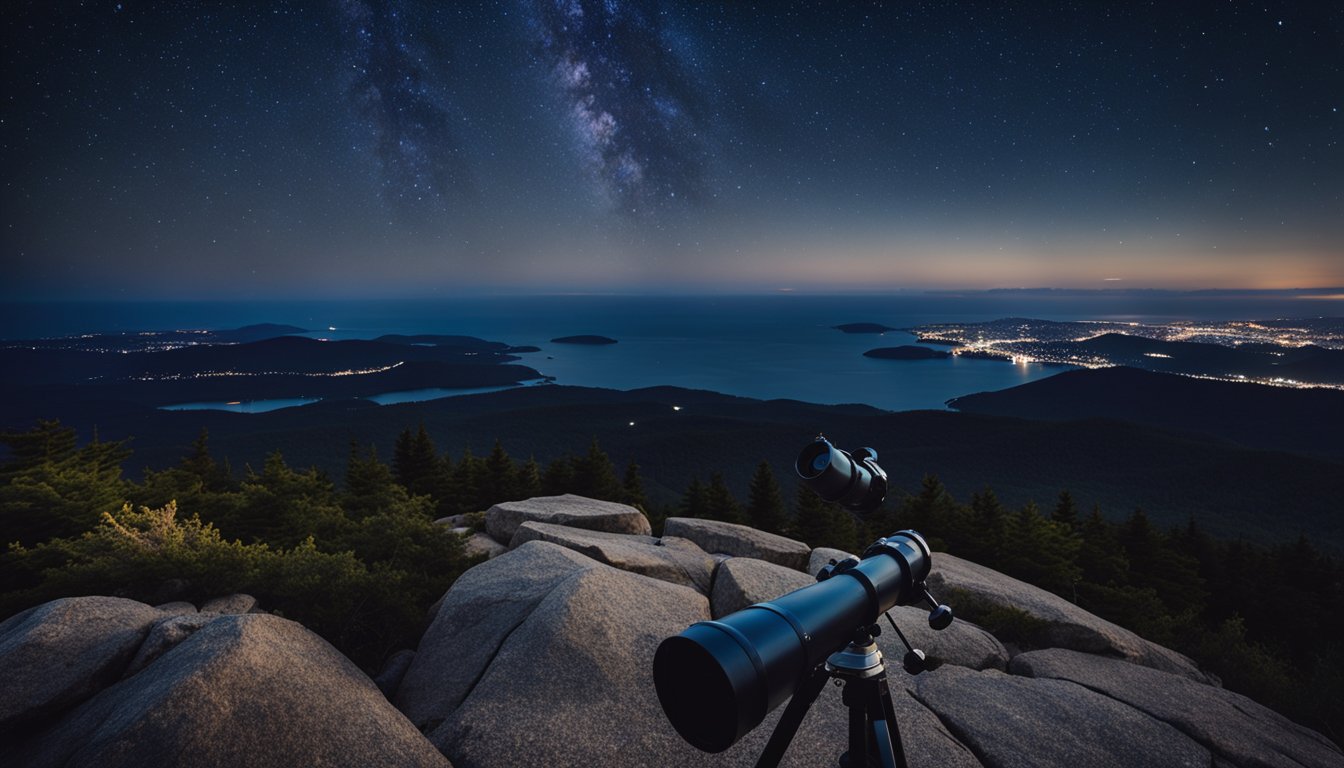
While the naked eye can observe many celestial objects from Cadillac Mountain, optical aids significantly enhance the experience. For beginners, a good pair of binoculars (10×50 or 7×50) often provides better value than an entry-level telescope.
Binoculars offer a wider field of view, making it easier to locate objects, and they’re more portable for hiking up observation points. They’re excellent for viewing the Moon’s craters, Jupiter’s moons, and star clusters.
If bringing a telescope, consider:
- Portability (you may need to carry it some distance)
- Setup time (complex telescopes take longer to align)
- Wind protection (tripod stability is crucial on the mountain)
A red flashlight is essential for adjusting equipment without ruining your night vision. Some stargazers bring small camping stools or reclining chairs for comfort during longer observation sessions.
Safety and Night Hiking Precautions
Night hiking on Cadillac Mountain requires careful preparation. Always bring multiple light sources including a headlamp and backup flashlights with extra batteries. Red-light modes help preserve night vision.
Layer your clothing even in summer, as temperatures can drop significantly after sunset. Wind-resistant outer layers are particularly important on the exposed summit.
Essential safety gear checklist:
- Headlamp with red-light mode
- Backup flashlight
- Extra batteries
- Insulated jacket and hat
- Wind/rain protection
- Full water bottle
- Trail map
- Fully charged phone
Check park regulations regarding overnight parking, as policies vary seasonally. The Summit Road sometimes closes after sunset, so verify access hours before planning your trip.
If you’re unfamiliar with the area, consider joining one of the guided stargazing tours offered during summer months. These provide both astronomical knowledge and safe navigation of the mountain after dark.
Exploring More Night Sky Outlooks and Educational Experiences
While Cadillac Mountain offers exceptional stargazing opportunities, Acadia National Park features several other remarkable locations for night sky viewing alongside educational programs that enhance the stargazing experience.
Other Top Night Sky Locations in Acadia
Jordan Pond provides a stunning foreground for night sky photographs with its calm waters reflecting stars and planets. The surrounding mountains block much of the light pollution, creating ideal viewing conditions.
Sand Beach offers a unique experience of watching stars over the ocean. The sound of waves creates a peaceful atmosphere for stargazing, though you’ll want to check the tide schedule before planning your visit.
Schoodic Peninsula, located in the quieter section of Acadia, offers some of the darkest skies in the park. Its remote location means fewer visitors and less light interference.
Seawall and Seawall Picnic Area present excellent alternatives for families. The wide-open horizon gives unobstructed views of constellations rising over the ocean, and the picnic tables provide comfortable seating for extended viewing sessions.
Ocean Path between Sand Beach and Otter Cliffs features several pull-offs where you can set up telescopes or simply spread a blanket for naked-eye astronomy.
Workshops, Science, and Educational Programs
Acadia National Park Rangers conduct regular night sky programs throughout the summer months. These typically include a brief presentation followed by guided telescope viewing with explanations of visible objects.
The local astronomy club hosts monthly star parties at various locations in the park. Their members bring powerful telescopes and share their knowledge freely with visitors.
Several science-based programs focus on light pollution reduction. These workshops explain how artificial light affects wildlife and how visitors can participate in dark sky preservation efforts.
Visiting scientists occasionally offer special lectures on current astronomical research. Check the park’s event calendar for these unique opportunities to learn about cutting-edge space science.
Combining Stargazing With Arts, Lodging, and Local Tours
Several local artists offer nighttime photography tours that combine technical instruction with access to prime viewing locations. These tours typically include transportation and equipment guidance.
SkyView app integration tours help you identify celestial objects using your smartphone. Local guides explain how to use this technology as a complement to traditional stargazing techniques.
Nearby hotels and inns frequently partner with astronomy guides to offer special stargazing packages. These may include telescopes delivered to your room, late-night snacks, and wake-up calls for meteor showers.
Bar Harbor businesses provide specialized evening excursions combining dinner, drinks, and transportation to dark sky locations. These tours solve the logistical challenges of nighttime park access.
Local galleries feature night sky photography and artwork inspired by Acadia’s celestial vistas. Visiting these spaces provides ideas and inspiration for your own stargazing adventures and photography attempts.
Stargazing on Cadillac Mountain: A Celestial Experience
Cadillac Mountain offers one of the most breathtaking stargazing experiences in the eastern United States. Its elevation and distance from light pollution create ideal conditions for viewing celestial bodies.
Remember to check vehicle reservation requirements before planning your night-time visit, as access is limited during peak seasons. Weather conditions significantly affect visibility, so consulting forecasts beforehand will help ensure a successful stargazing adventure.
Bringing appropriate gear — warm clothing, red flashlights, and photography equipment — will enhance your experience on the mountain. The best viewing occurs between late fall and early spring when skies are clearest and the Milky Way is visible in stunning detail.
For families visiting Acadia National Park, stargazing on Cadillac Mountain creates memories that last a lifetime. The simple act of looking up at the stars together connects you with both nature and each other.
Ready to plan your Acadia adventure? Visit TM2 Maine’s Acadia National Park guide at https://tm2maine.com/acadia-national-park-hub/ for comprehensive information on making the most of your park experience — from daytime hikes to nighttime star viewing.
For tips, Acadia National Park attractions, and more visitor information, check out TM2 Maine’s Acadia National Park Visitor Guide. Use it to help your family discover everything Acadia National Park has to offer.

For more information on Acadia National Park, including hiking trails, scenic drives, camping options, and popular activities, explore our Acadia National Park Hub & Visitor Guide. Let us help you plan your perfect Maine vacation getaway to create memories that you and your family will cherish for a lifetime.


