

Wildlife Spotting Around Jordan Pond: What to See & Know
Jordan Pond in Acadia National Park offers some of Maine’s best opportunities for observing a rich variety of wildlife in a pristine ecosystem. You might spot loons gliding across the water, catch glimpses of beavers around the pond’s edge, or see signs of moose in quieter, less busy areas nearby.
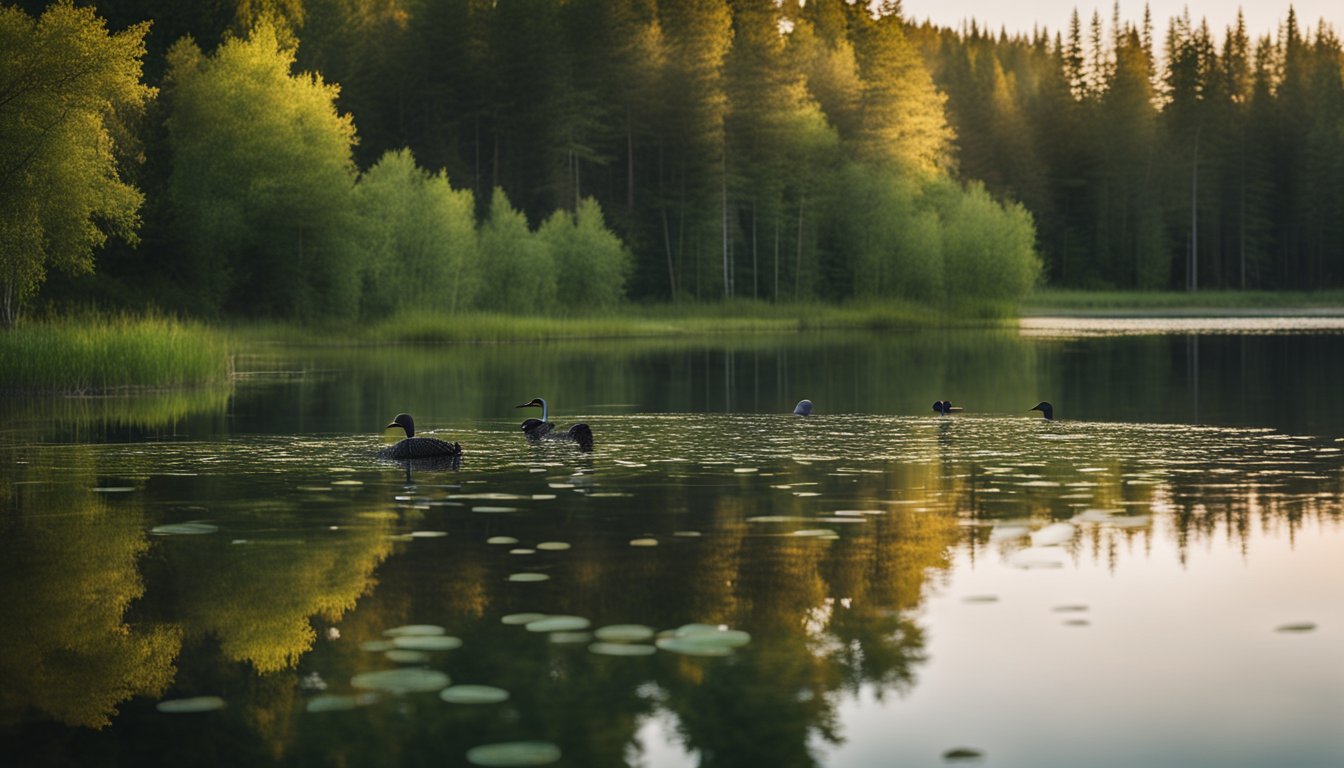
If you want to see more wildlife, try visiting early in the morning or just before sunset — those are the times animals tend to show up. Scan the shore for beaver signs like chewed stumps, and keep your eyes peeled for loons out on the water.
For photography, having your camera ready with a zoom lens makes a big difference. Move quietly, stick to the trails, and you’ll have a better shot at capturing animals without spooking them — or messing with the pond’s natural vibe.
Overview of Jordan Pond and Its Wildlife Ecosystem
Jordan Pond is a pristine freshwater lake on Mount Desert Island within Acadia National Park. This area is known for its diverse wildlife, clear waters, and unique natural features that offer excellent opportunities for nature observation.

Unique Features of Jordan Pond
Jordan Pond is famous for its crystal-clear water — sometimes you can see down 45 feet or more. It’s a glacial lake with a rounded basin, surrounded by wooded hills and those dramatic granite formations, the North and South Bubble mountains. The undeveloped shoreline gives it a wild, untouched feel you don’t see everywhere.
Trails loop around the pond, making it easy to explore and spot wildlife from different angles. The pond itself covers about 187 acres and drops to 150 feet deep at its deepest. Swimming and boating are tightly regulated, which definitely helps keep the ecosystem in balance.
Ecology and Freshwater Habitats
Jordan Pond supports a healthy freshwater ecosystem. The pond is home to a range of aquatic life, including fish such as brook trout and landlocked salmon.

You might spot loons nesting along the shore or diving for fish at dawn and dusk. Beavers are busy here too, building up dams in the streams and wetland edges. The forests around the pond shelter deer, foxes, and sometimes otters if you’re lucky. There’s this whole web of plants, insects, birds, and mammals that keeps things humming along.
Role of Jordan Pond in Acadia National Park
Jordan Pond is a central freshwater resource in Acadia National Park. It supplies drinking water to local communities, making its protection a priority.
The pond’s a big deal for the park’s biodiversity — wildlife here depends on both the water and the woods. If you walk the trails, you’ll notice how animals move between the forest and shoreline, each using the pond in their own way.
Visitor access is pretty carefully managed. There are strict rules to keep pollution and habitat damage in check, which helps preserve the pond for everyone—whether you’re there to hike, take photos, or just watch the wildlife go about their day.
Notable Wildlife Species Around Jordan Pond
Jordan Pond supports an impressive array of wildlife, from aquatic birds and beaver colonies to mammals and predatory birds. Whether you walk the shoreline trails or sit quietly at dawn, you’ll find that each habitat around the pond offers different opportunities for wildlife sightings and photography.

Spotting Loons and Aquatic Birds
Jordan Pond is a reliable spot to observe the common loon, an iconic species known for its haunting calls and striking black-and-white plumage.
Loons are most active in the early morning and late evening, especially during spring and early summer. You can often spot them diving for fish or caring for chicks along the pond’s quieter northern and eastern shores.

Besides loons, there are usually mallards, mergansers, and sometimes ring-necked ducks on the water. Binoculars and a zoom lens really help if you want to get a closer look or a decent photo without getting too close.
While puffins and harbor seals stick to the coast, you might catch a cormorant or great blue heron at the pond from time to time.
Beaver Colonies and Activity
Beavers are big players in the wetland ecosystem here. Look for their signature — chewed stumps, dams, and lodges—along the streams feeding the pond. Dusk and dawn are your best bets for seeing them in action, hauling branches or swimming near their lodges.

Beavers shape the whole habitat, creating spots for waterfowl, amphibians, and sometimes otters. If you’re patient and keep a low profile, you might get some great shots of them doing their thing, especially where the streams meet the pond.
Mammals: Deer, Otters, and Beavers
White-tailed deer show up a lot in the early morning or at dusk, grazing at the forest’s edge. Sometimes you’ll just spot a flicker of movement or see their tracks in the soft ground by the water.

River otters are around too, though they’re a bit shy — look for them in the quieter marshy areas, especially at dawn. They’re quick and playful, usually swimming in small family groups.
Other mammals like mink, raccoons, and the occasional moose might wander by, but don’t count on it. Larger predators — black bears, coyotes, bobcats—are out there, yet they steer clear of the busy pond trails.
Birds of Prey and Songbirds
Keep an eye out for bald eagles and ospreys — they like to perch in tall trees by the water, waiting to grab a fish. Sometimes you’ll catch a glimpse of a peregrine falcon swooping by, especially if you’re out early.

The woods around the pond are alive with blackburnian warblers, barred owls, and all sorts of songbirds, especially when spring or fall migration is in full swing. Listen for their calls and watch for quick flashes of color in the branches and brush.
Best Wildlife Viewing Locations and Times
Wildlife is abundant around Jordan Pond, especially near the popular hiking trails and scenic spots. Knowing where and when to look helps maximize your chances of seeing beavers, loons, and other animals, while park accessibility and seasonal changes play a key role in the experience.

Prime Spots Along Popular Trails
The Jordan Pond Path is the main loop for wildlife watching—a mostly level 3.3-mile trail that circles the pond and gives you plenty of chances to spot waterfowl and maybe even otters close to shore. Early or late in the day, you’re more likely to see beavers working by the inlets and outlets.
Bubbles Trail gives you a higher view, so you can sometimes spot birds out on the water from above. The old carriage roads wind through the woods—good for glimpsing deer, foxes, and lots of songbirds. If you’re up for exploring, connecting trails like Penobscot Mountain sometimes surprise you with less common wildlife.
Optimal Times for Wildlife Observation
Dawn and dusk are when most animals are on the move. Beavers and deer especially are active during those low-light hours, and loons tend to feed and call in the early morning. The lighting’s also better for photos, and you won’t have as many people around.

Spring and fall are big for migration — birds coming in to nest or passing through. If you’re hoping to see the most variety, those seasons are hard to beat. Midday is usually quieter for wildlife, so it’s worth planning your hikes around sunrise or sunset if you can.
Impact of Seasonal Changes on Wildlife
Seasons really shake up what you’ll see out there. Winter means fewer birds and less visible mammal activity—most creatures either move on or hunker down. Deer and foxes stick around, but you’ll probably find them in more sheltered spots when it’s cold.
Spring is lively, with birds and amphibians returning. Sometimes lower water reveals more beaver handiwork. Summer brings out the aquatic species, but also more people, so early and late visits are still best. In fall, you might catch migrating raptors soaring over Pemetic Mountain or Cadillac Mountain.
Accessibility and Island Explorer Shuttle Routes
Getting to Jordan Pond is pretty straightforward — just follow Park Loop Road and look for signs to the parking areas. If you’re not driving, the free Island Explorer Shuttle drops off right at the pond and connects to Bar Harbor and Northeast Harbor.
Main trails are kept up by the National Park Service, and there are accessible options, including some carriage roads that work for wheelchairs. Trailheads for Bubbles, Penobscot Mountain, and the carriage roads are all close to shuttle stops, so you don’t really need a car. The shuttle’s a good way to keep traffic down and help protect the wildlife, too.
Wildlife Photography and Responsible Encounters
Watching and photographing wildlife around Jordan Pond is a chance to peek into Acadia’s wilder side. The right gear, a little patience, and some basic etiquette go a long way — whether you’re on your own or with a guide.

Photography Tips for Capturing Wildlife
Pack a camera with a zoom lens if you want to get close-ups of loons, beavers, or eagles. Quietly stick to the trails or set up by the shoreline at sunrise or sunset — those are the golden hours for both animal activity and good light.
If you’re up for it, a canoe or kayak lets you get a different angle on birds from the water—just move slow and keep the noise down. Burst mode can help you catch action shots, like a loon diving or a beaver swimming by.
Natural light at sunrise or sunset makes photos pop, and a lightweight tripod helps if you’re shooting in low light or want to capture reflections. Don’t stress if you miss a shot — sometimes the moment’s better than the picture.
Recommended Equipment: Binoculars and Cameras
Binoculars are a must for spotting birds or shy mammals. Something in the 8x to 10x range works for most folks. For photography, a DSLR or mirrorless camera with a 200–400mm lens is great for distant subjects. If you’re heading out on the water or near tide pools, a waterproof case or dry bag for your gear is smart — better safe than sorry.
Extra memory cards and batteries are always a good idea. Here’s a quick gear table:
| Equipment | Purpose | Notes |
|---|---|---|
| Binoculars (8x–10x) | Spot birds, beavers | Compact, easy to carry |
| Telephoto camera lens | Capture distant wildlife | 200–400mm suggested |
| Tripod | Stabilize camera | Useful for low light |
| Waterproof case/bag | Protect gear | Important for kayaking |
Guidelines for Ethical Wildlife Encounters
Respect goes a long way — keep your distance, especially from nesting loons and busy beaver lodges. Getting too close stresses animals and can mess up their routines.
Never feed wildlife or leave food behind. Stick to the trails, even if it means missing that “perfect” shot. Keep your voice down and avoid sudden movements, especially near sensitive spots like tide pools or nesting areas.
If you’re kayaking or canoeing, watch for beavers and give them space — they’ve got places to be, too. If you see an animal acting agitated, just back off and let them be.
Enhancing the Experience: Park Guides and Tours
Going out with a park guide can make a huge difference — they know where and when animals tend to show up, and you’ll probably learn a thing or two you’d miss on your own. Guided walks or paddling trips often start from the visitor center or local lodges, and they’re usually open to most visitors.
Guides can walk you through the basics of binoculars and camera use, and share tips for safe canoeing or kayaking. Plus, they’ll help you keep things ethical and point out cool details, like starfish in tide pools or the best spots for seeing birds at different times of day.
Wildlife Spotting Around Jordan Pond: A Worthwhile Adventure
Jordan Pond offers a chance to see a variety of wildlife through the seasons. You might spot loons gliding across the water, beavers creating wetland habitats, or even catch a glimpse of shy otters near the shore.

For the highest chance of sightings, visit early in the morning or late in the afternoon. Dawn often brings more animal activity and quieter trails.
Some recommended spots include:
- The southeast shore for bird watching
- Around the outlet stream for beaver activity
- Woodland margins for deer and songbirds
Remember to bring binoculars for distant birds and a camera with a zoom lens for quieter wildlife moments. Using a tripod can help stabilize shots, especially in low light. Stay on marked trails to protect both the wildlife and their habitats.
Watching quietly and keeping a respectful distance helps you see more and avoids disturbing the animals. Even a few silent minutes can reward you with unexpected sights.
With patience and some planning, your walk around Jordan Pond can be both peaceful and full of discovery.
For more trip planning and photo ideas, check out the TM2 Maine Acadia National Park Visitor Guide. You’ll find articles, tips, and more attractions to help you make the most of your visit to Acadia National Park and Maine.


