
What types of wildlife live in Camden Hills State Park?
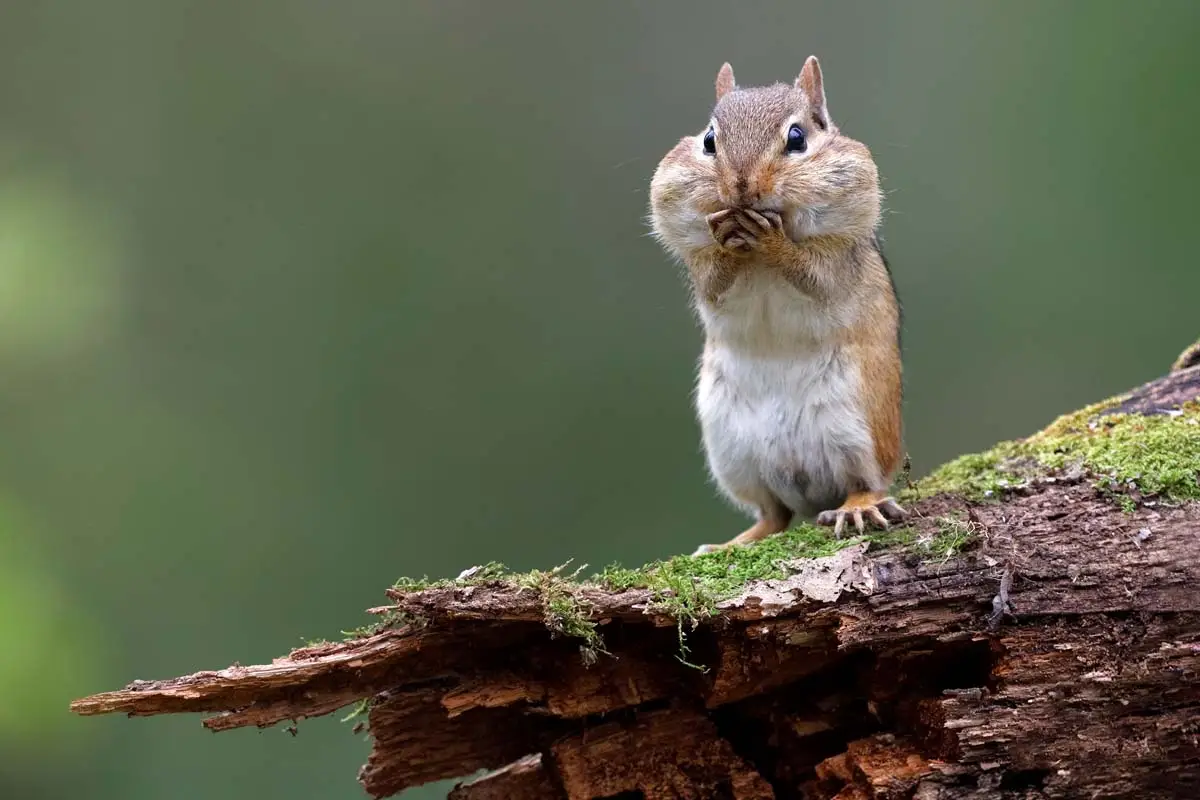
Visitors commonly see mammals like white-tailed deer, red squirrels, chipmunks, and porcupines, with occasional glimpses of red foxes. The park is also known for birdwatching, where you can spot majestic bald eagles and ospreys soaring over Penobscot Bay, listen to a variety of songbirds like warblers and thrushes in the forest, and observe several species of woodpeckers.
Experience Camden Hills State Park Wildlife throughout the Seasons. From Wildflowers to Birds to Deer, Nature Thrives Here in Midcoast Maine
Camden Hills State Park is a special place in Maine where you can see a wide range of plants, wildlife, and beautiful views all year long. If you wander off the busier trails, you’ll stumble into quiet pockets with wildflowers, thick woods, and those classic views of hills rolling into the sea. People come here for that classic Maine feeling—the mountains tumbling right down to the water’s edge.
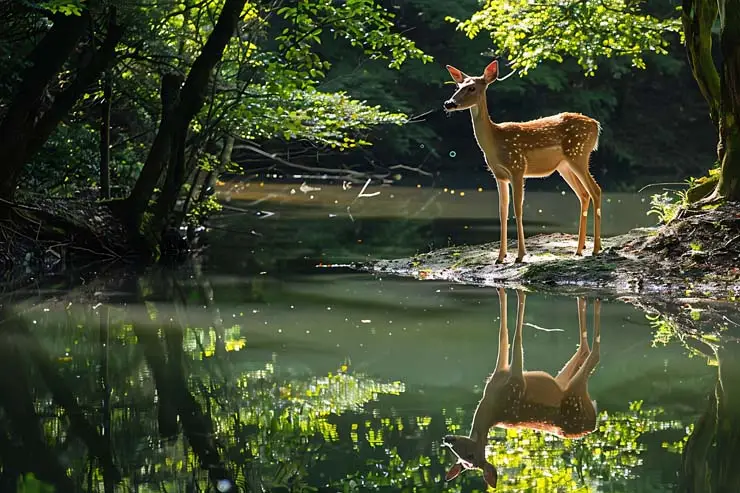
You’ll hear birds calling, maybe spot a deer moving through the undergrowth, and notice wildflowers scattered in open meadows. Photographers and birdwatchers, especially in autumn, flock here to catch the best light and the changing leaves.
Each season really puts its own stamp on the place. Spring bursts open with flowers and fresh green, summer’s all about the lushness, and then fall, well, it’s famous for a reason. Doesn’t matter when you show up, there’s always something alive and worth seeing at Camden Hills State Park.
What Makes the Natural Environment of Camden Hills State Park So Special?
Camden Hills sits in one of those rare spots where forested hills shoot right up from the coast. It’s a dramatic mix of deep woods, sudden cliffs, and the Atlantic, just over your shoulder. There’s not much else like it in Maine.
The slopes and valleys are thick with oaks, maples, spruce, and pine, classic New England trees, if you ask me. Wildflowers pop up in the open areas from spring through summer, and they’re magnets for bees and butterflies.
Plenty of folks come just hoping to see a deer slip through the trees, or to spot warblers, hawks, or maybe a bald eagle riding the thermals above the ridges.
And if you’re into geology or just like a good story, the land itself has one: glaciers shaped these hills, carved out the valleys, and left behind the rocky ledges and cliffs you see today. All those nooks and crannies make space for a surprising variety of plants and animals.
Why do nature lovers keep coming back to Camden Hills?
- Over 30 miles of trails for wandering, birdwatching, and finding your own quiet spot
- Habitats that shift from deep woods to sun-soaked summits
- Chances to spot deer, foxes, songbirds, plus wildflowers that change with the months
Protecting this place matters – a lot. It’s one of the last big stretches of wild coastline in Maine, and keeping it that way is good for people and the animals who live here.
What Types of Plants, Trees, and Wildflowers Adorn the Park Through the Seasons?
The park’s got a real mix of plant life, and what you’ll notice depends on the time of year. Sometimes it’s the big trees overhead, sometimes it’s the tiny flowers or mosses right under your boots.
The Forest Canopy: Majestic Trees of Camden Hills
Most of the time, you’ll be walking under a leafy roof of northern hardwoods: sugar maple, red oak, yellow birch. There’s a good share of conifers too: white pine, spruce, balsam fir. They all blend together, but each brings its own vibe through the seasons.
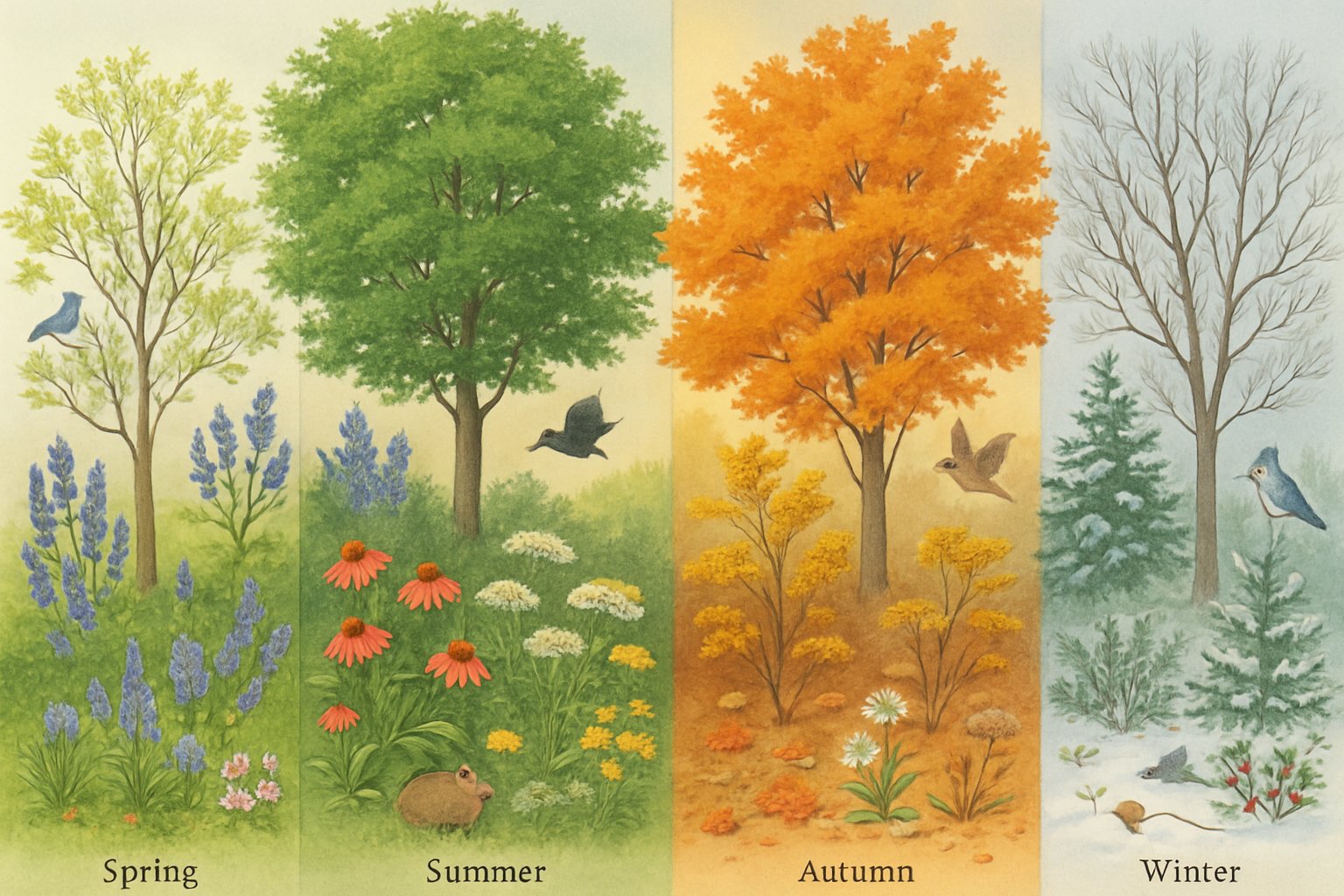
Spring and summer, the leaves make for cool, shady trails. Come fall, the hardwoods turn wild with color: maples in orange and red, birch in yellow, oaks in deep brownish-red. The pines and firs just keep doing their evergreen thing. Deer and birds rely on these woods, so don’t be surprised if you bump into a white-tail or hear a woodpecker drilling away.
Spring’s Ephemeral Beauty: Wildflowers in Bloom
Once the snow finally melts, the forest floor explodes with wildflowers, at least for a few weeks before the trees leaf out. Trillium shows off its three-petaled flowers, spring beauty adds little pink stripes, and trout lily nods yellow near creeks.
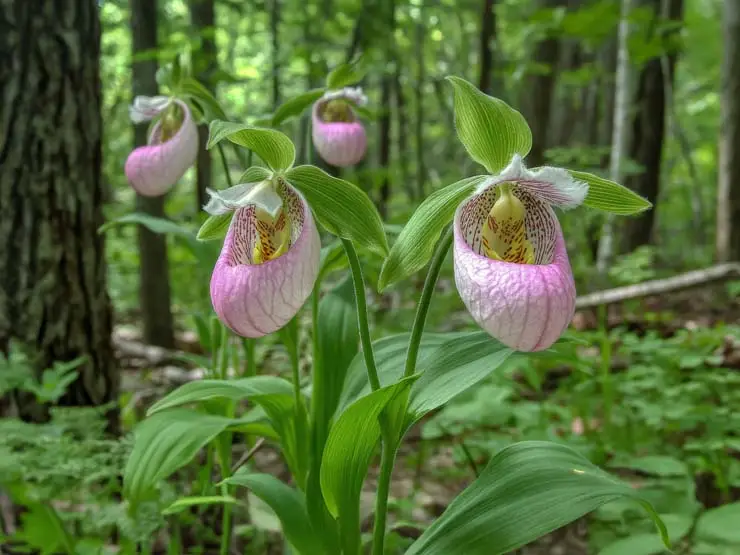
If you’re lucky, you might spot a lady’s slipper orchid. Just don’t pick or trample them because they’re rare. The best window for wildflower walks is late April to early June. Look near the trails and in damp woods for the most action.
These early blooms are a big deal for bees and butterflies, and they grab that sunlight before the trees close overhead.
Summer’s Lush Greenery and Delicate Ferns
Summer hits and everything goes green. Ferns take over the shady spots: cinnamon fern, ostrich fern, hay-scented fern, and you’ll find them along creeks, in ravines, anywhere it stays damp. Their fronds look great in photos, honestly.
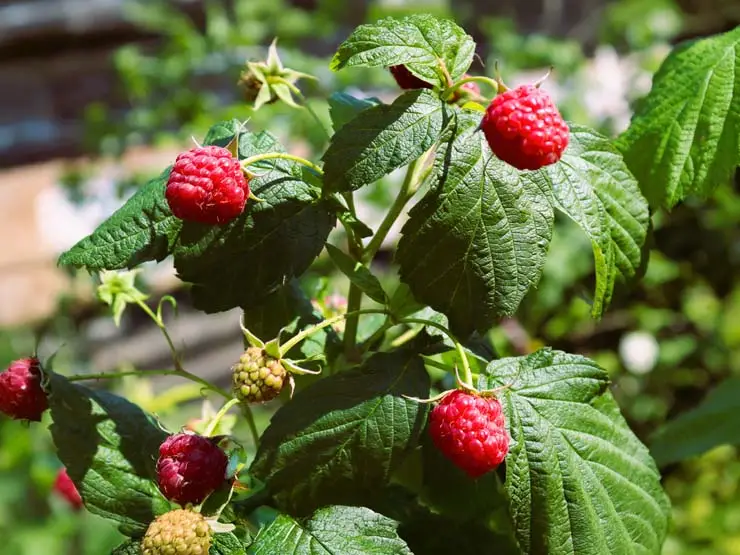
Keep an eye out for wild raspberry and blackberry bushes too, especially along sunny edges. The thick greenery draws in birds and bugs, so it’s a good time for birdwatchers hoping to see warblers, thrushes, or woodpeckers busy in the canopy.
Autumn’s Fiery Display: The Magic of Fall Foliage
Late September into October, the place just lights up. Sugar maples go red and orange, birches turn yellow, oaks get that deep bronze. The evergreens keep everything grounded in green, so the contrast pops even more.
Some of the best views are from Mount Battie Trail or Megunticook Trail which offer wide sweeps of color across the hills and out to the bay. It’s the busiest time for photographers and leaf peepers, but honestly, it’s worth braving the crowds.
Fall’s also a good time to spot deer in the fields and hear migrating birds overhead. There’s a certain energy in the air that’s hard to explain.
Underfoot Wonders: Mosses, Lichens, and Fungi
Don’t forget to look down. Mosses cover rocks and fallen logs, softening everything. Lichens paint odd shapes on tree trunks and boulders. Come autumn, mushrooms and other fungi pop up; some bright orange, others big and white, clinging to decaying wood.
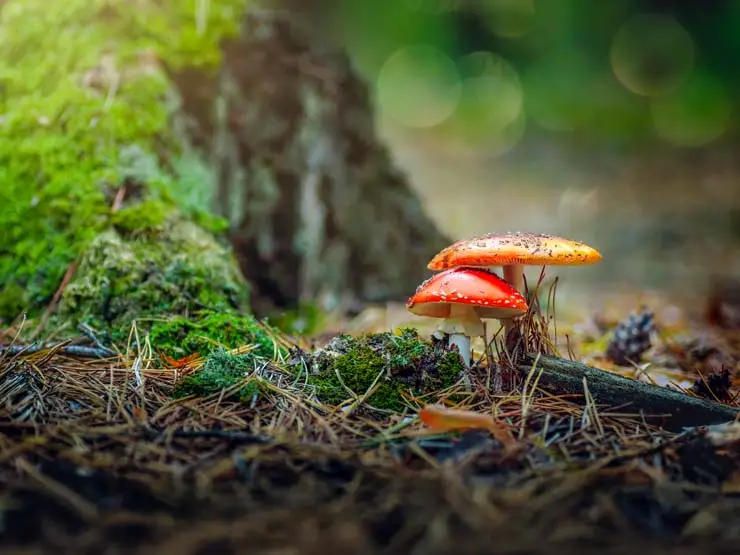
All these little things keep the forest healthy; breaking down old stuff, holding moisture, making micro-habitats for bugs. If you’re into close-up photography, a rainy day after a storm is perfect for catching their colors and textures.
Exploring from the tallest trees down to the tiniest moss patch, you’ll get a real sense of just how much life is packed into Camden Hills State Park.
When is the Best Time of Year to Visit Camden Hills for Its Natural Beauty & Scenery?
The park’s look and feel change a lot with the seasons. Depending on when you visit, you might find wildflowers, different birds, blazing fall colors, or just a quiet, snowy landscape.

Spring Awakening (April-May): Wildflowers, Migratory Birds, and New Growth
Early spring is all about new life – fresh green shoots, wildflowers along the trails, and the sound of rushing water from melting snow.
Look for trilliums, bloodroot, violets, and other fast-blooming flowers on the lower trails. Tree buds are everywhere, and the air’s full of birdsong as migrants like warblers, vireos, and thrushes come back. Birders love this time because you can actually see the birds before the leaves fill in.
Deer and other animals are out foraging, and the trails are usually quiet (though sometimes muddy so bring boots). The cool air and lack of crowds make it a great time to slow down and really notice the little things waking up.
Summer Lushness (June-August): Vibrant Forests, Active Wildlife, and Long Days
By summer, the woods are thick and green, and everything feels alive.
Foliage is dense, ferns cover the ground, and you might spot young deer or rabbits along the trails. Woodpeckers, butterflies, dragonflies, they’re all busy. Early mornings are probably your best bet for wildlife, before things heat up and the trails get busy.
With long daylight, you’ve got plenty of time for hiking or photos. Trails to Mount Battie and Maiden Cliff see more people, but the views are worth it. Just expect crowds and warmer temps. It’s the park’s busiest stretch for a reason.
Autumn’s Masterpiece (September-October): When are the Fall Colors Usually at Their Peak?
From late September to mid-October, the hills explode with color. The timing shifts a bit each year, but local foliage reports can help you hit the peak.
Mount Battie, Mount Megunticook, and the Ridge Trail are top picks for sweeping views. The air’s crisp, the light is golden, and the colors are unreal. Lots of folks show up for this, so if you want quieter trails and better photos, try early morning or just before sunset.
Winter’s Quiet Majesty (November-March): Snowscapes, Solitude, and Tracking
Winter drops a hush over the park: deep snow, empty trails, and a whole different kind of beauty.
It’s perfect for snowshoeing or cross-country skiing, and you can spot animal tracks in the snow, deer, fox, maybe even a bobcat if you’re lucky. Birds like chickadees and woodpeckers stick around, and the quiet makes their calls easier to hear.
Some areas close (like Mount Battie’s auto road), but the main entrance is open. Dress warm, plan ahead, and you’ll have most of the place to yourself – kind of a rare treat these days.
What Kind of Wildlife Might I See in Camden Hills State Park?
Camden Hills State Park is home to a variety of animal species, making it a good spot for wildlife viewing and nature photography. The forests, fields, and trails offer a chance to see animals big and small throughout the year.
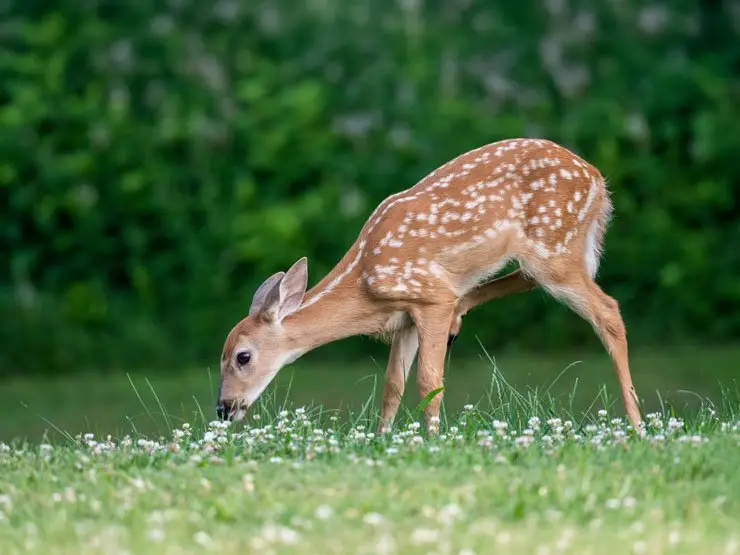
Mammals of the Forest and Hills
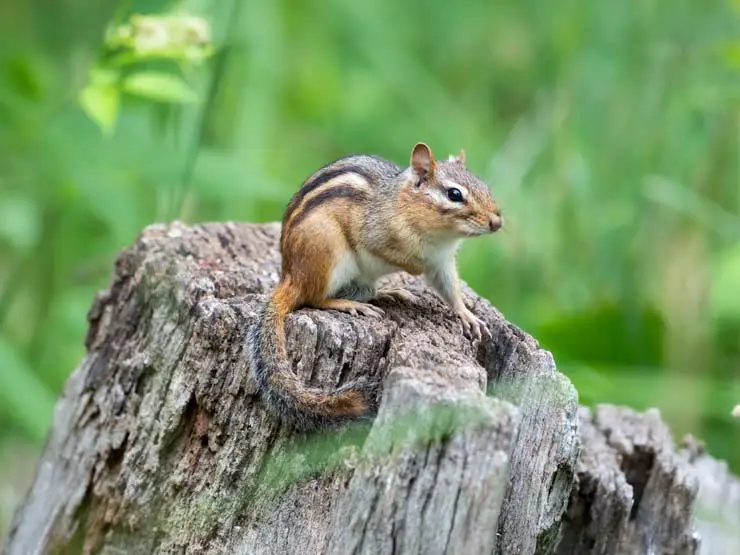
You might spot a white-tailed deer grazing by the woods or catch a glimpse of a gray or red squirrel darting across the trail. Chipmunks are everywhere, especially near picnic areas and wildflower patches, always busy gathering seeds and nuts.
Porcupines tend to keep to themselves and move slowly, but they do climb trees, so if you notice chewed branches above, that might be your culprit. Raccoons and foxes do visit the park, though you’ll have better luck seeing them at dusk or after dark. Weasels and snowshoe hares stick to the thicker underbrush. Every now and then, someone gets lucky and sees a moose or black bear, but honestly, those sightings are pretty rare.
A Birder’s Paradise: Feathered Friends of Camden Hills
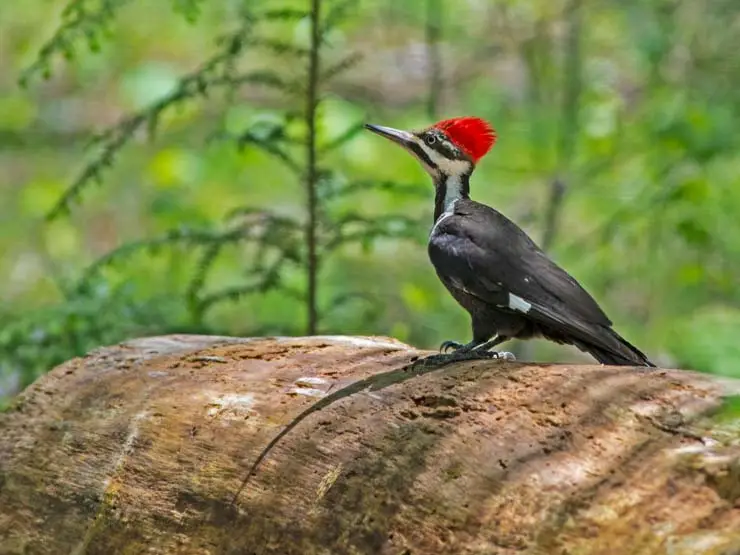
Birdwatchers come to Camden Hills for its impressive mix of resident and migratory birds. Black-capped chickadees, white-breasted nuthatches, and three woodpecker species, Pileated, Downy, and Hairy, are regulars. Blue Jays, with their noisy chatter, are hard to miss along open trails.
During spring and fall, the park becomes a rest stop for migratory songbirds: warblers, thrushes, and vireos. Binoculars are a must if you’re hoping to spot these visitors. Hawks like Broad-winged and Red-tailed often soar over the ridges. At night, you might hear the call of a Barred or Great Horned Owl. If you’re wandering near the water, keep an eye out for Bald Eagles or Ospreys cruising above Penobscot Bay.
Amphibians, Reptiles, and Other Critters
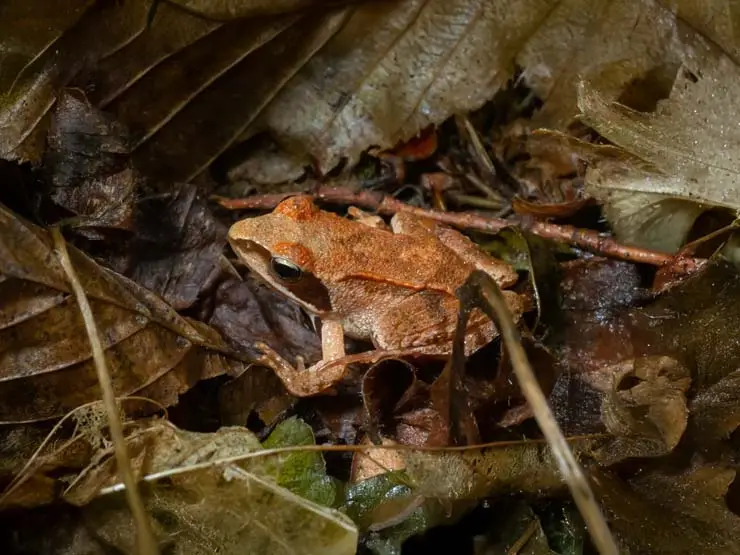
Once it warms up, frogs and toads turn up near ponds, streams, and wet meadows. Green frogs, wood frogs, and spring peepers are especially active after a good rain. Salamanders, red-backed or spotted, hide out under damp leaves and logs, so you’ll need to look closely.
You’ll probably see harmless garter snakes basking on rocks. In open, sunny spots, butterflies and dragonflies are everywhere. Monarchs and swallowtails are especially striking in late summer and early fall, fluttering along the trail edges.
Tips for Responsible Wildlife Viewing
- Morning and evening hours offer the best chance to see animals.
- Move quietly and slowly to avoid startling wildlife.
- Binoculars help you get a close look without disturbing birds and mammals.
- Never feed wild animals; human food can make them sick or aggressive.
- Stay a safe distance away from all animals for your safety and theirs.
- Watch for animal tracks, scat, nests, and other signs, which can tell you what lives nearby even if you don’t see the animal itself.
Beyond Hiking: What Other Nature-Based Activities Are Popular in the Park?
There’s a lot more to Camden Hills State Park than just hiking. Whether you’re into photography, birdwatching, or winter activities, you’ll find plenty of ways to enjoy the park’s wild side.
Nature Photography Opportunities
Camden Hills is a photographer’s dream. The mountain viewpoints, Mount Battie is a favorite, give you sweeping views of Penobscot Bay, Camden Harbor, and endless forest. Early mornings and late afternoons (that golden hour light!) are when the park’s really at its best.
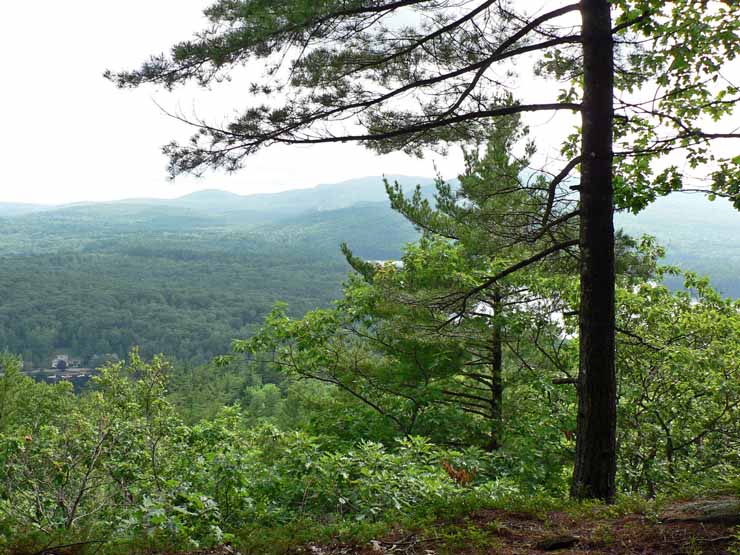
Wildflowers like lupines and asters put on a show in spring and summer, perfect for close-up shots. After rain, check along the trails and forest edges for fungi and interesting insects. If you love macro photography, don’t forget your lens.
The park’s got a bit of everything: shaded woods, open fields, rocky outcrops. Take your time and wander; sometimes the best photos are the ones you weren’t looking for.
Birdwatching Hotspots and Tips
Birders will appreciate the variety of habitats here. Trails near Megunticook Lake and Maiden Cliff tend to attract warblers, thrushes, and woodpeckers. If you want to spot hawks or swallows riding the wind, try the open areas on Mount Battie or Bald Rock.
Migration seasons, spring and fall, are when things really get interesting. Bring binoculars and a bird guide, and try to get out early before the park gets busy.
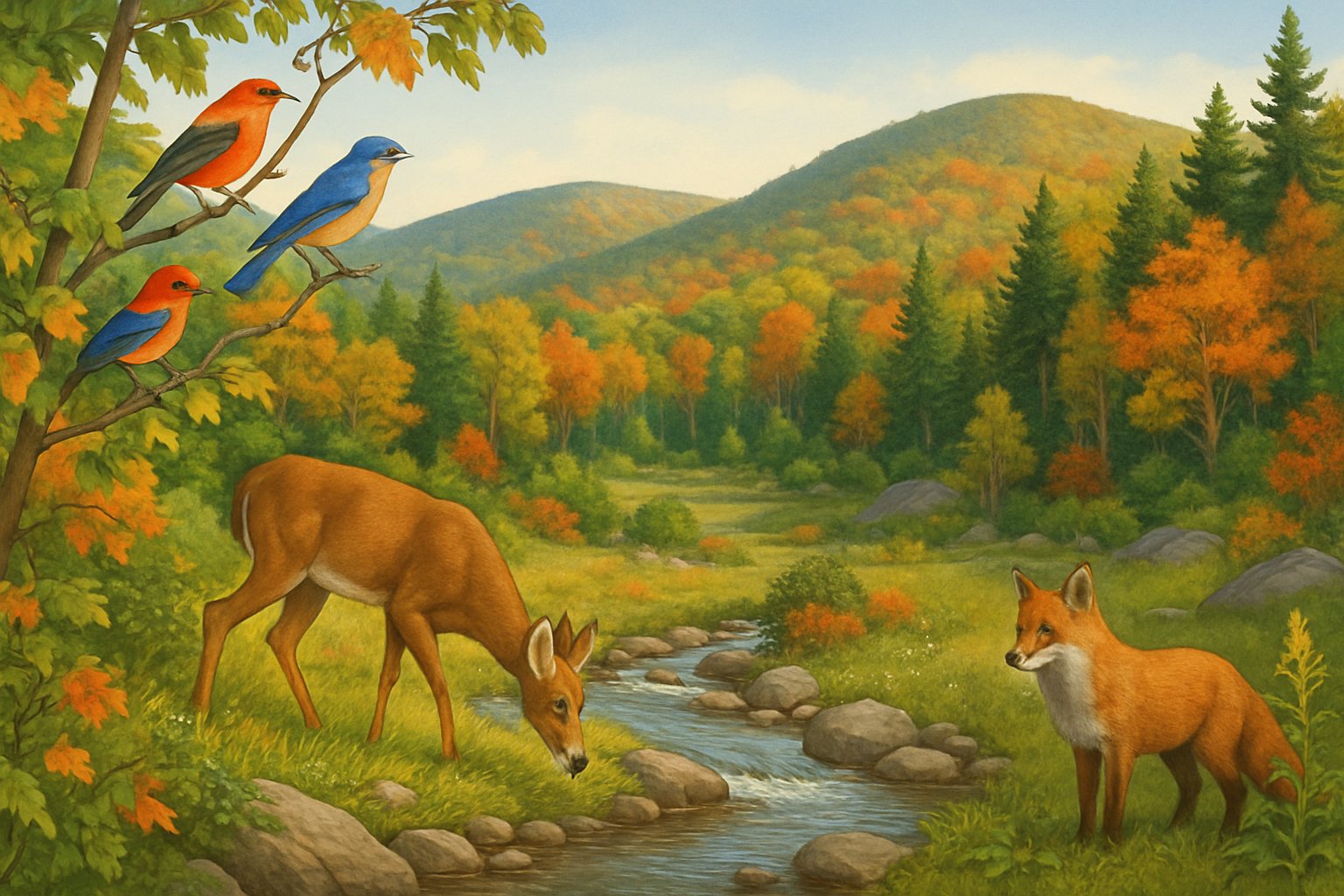
Keep an ear out for woodpecker drumming or the flash of a scarlet tanager overhead. And don’t be surprised if a deer sneaks by while you’re scanning the trees.
Scenic Picnicking Amidst Nature
Picnic spots in Camden Hills are pretty inviting. The Mount Battie overlook has benches and open space with big views of the forest and bay. Near the entrance, you’ll find shaded tables under tall pines; great for a midday break.
Some trails lead to small clearings or grassy patches that are just right for a quiet picnic. Remember to pack out your trash and keep food stored so you don’t attract curious critters.
Honestly, there’s nothing like eating lunch outside, surrounded by birdsong and the scent of pine. Sometimes the simplest meals taste best with a view.
The Mount Battie Auto Road: A Drive Through Natural Beauty
If you’d rather not hike, the Mount Battie Auto Road takes you up through changing forests. Watch for colorful trees, wildflowers, and maybe even a deer browsing by the roadside.

The Mount Battie summit gives you a wide-open view over Camden, the harbor, and miles of forest. There are pull-offs along the way if you want to stop for photos or just soak it in without leaving your car for long.
Fall is a real highlight; those red and orange hillsides are hard to beat. Wildlife tends to be more active early or late, so timing matters if you’re hoping to spot something special.
Winter Pursuits: Snowshoeing & Cross-Country Skiing
When snow falls, the park’s trails become perfect for snowshoeing or cross-country skiing. Most aren’t groomed, but the packed snow usually makes for a pretty easy trek through the winter woods.
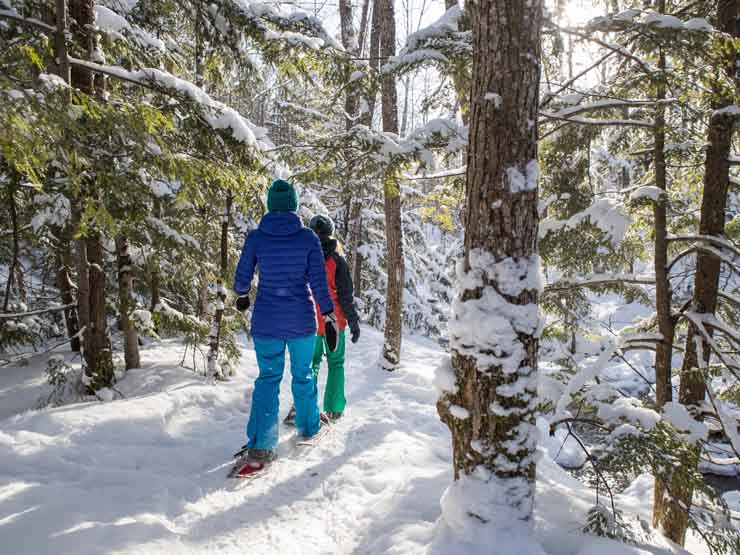
Animal tracks in the snow tell their own story: deer, squirrels, maybe a fox if you’re lucky. The quiet and bare branches give you a whole new perspective on the park.
Just dress warmly and watch for icy spots. These winter activities let you slow down and enjoy the stillness, especially after the busy season winds down.
Are There Guided Tours or Ranger Programs to Enhance Your Nature Experience?
Guided walks and educational programs can open your eyes to things you’d probably miss on your own in Camden Hills State Park. Joining a walk or a talk is a good way to learn more about wildflowers, forests, wildlife, or birds along the trails.
Park Ranger-Led Programs
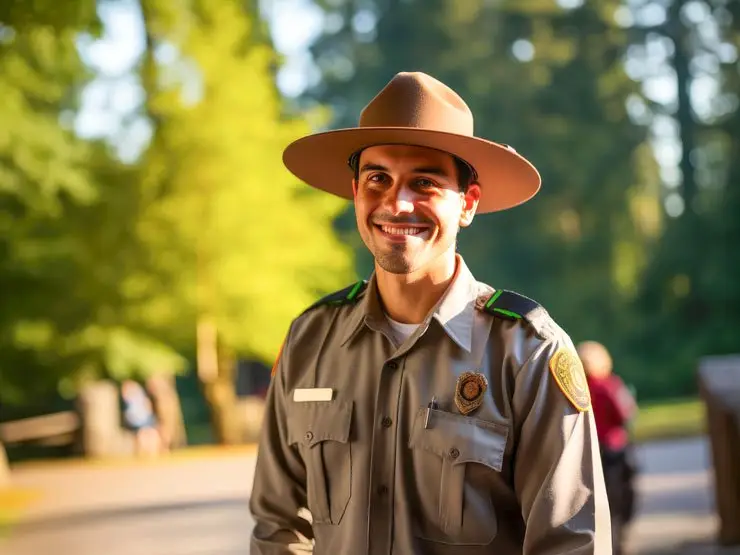
During busy months, the park sometimes offers ranger-led programs. These might include guided walks to spot deer, identify wildflowers, or check out the local birds. Nature walks often cover plant life and animal habits, too.
Evening talks or kids’ discovery programs might focus on park ecology, hiking safety, or how to respect wildlife. They’re worth checking out if you want to get a little more from your visit.
Schedules for ranger programs are usually posted at the main entrance or on bulletin boards. You can also check the Maine State Parks website for updates on events or tours. Stopping by the visitor center is always a safe bet if you want to ask what’s on that day.
Park Events & Local Festivals: When Might Nature Align with Culture?
Timing your visit with special events can add something extra to your Camden Hills experience. The area hosts a handful of festivals each year that celebrate both local traditions and the park’s natural beauty.
Nature-focused events:
- Spring wildflower walks let you spot blooming wildflowers along the forest trails.
- Birdwatching days invite bird lovers to bring binoculars and look for migratory bird species.
- Occasionally, the park hosts guided wildlife viewing hikes to spot animals like white-tailed deer.
Community festivals like the Windjammer Festival are held nearby in Camden. These can draw bigger crowds, so the park and town both get lively. Just know that the most popular trails might be busier than usual during these times.
If you’re after some quiet time in nature, it’s smart to check the local event calendar before you visit. Weekdays or less busy weeks are better for photography, wildlife viewing, or just relaxing in the woods.
Here’s a quick overview:
| Event Type | Activities | Best For |
|---|---|---|
| Nature Walks | Wildflowers, trails | Nature lovers |
| Birdwatching Days | Spotting bird species | Birdwatchers |
| Fall Foliage Festival | Leaf colors, photos | Photographers |
| Local Festivals | Arts, music, food | Community experience |
Planning ahead helps you make the most of your time in Camden Hills, whether you’re craving a peaceful walk or a festive day around town.
Unique Natural Features & Conservation in Camden Hills State Park
Camden Hills State Park sits where mountains meet the sea, and that mix gives it a surprising variety of habitats. In just a short hike, you can go from salty coastal woods to cool, quiet forests up high.
The park protects significant natural communities. Steep cliffs, ledges, and deep ravines are home to rare wildflowers and ferns. Some valleys hide old patches of forest, offering a glimpse of what Maine’s woods once looked like.
Throughout the year, trails are great for wildlife viewing. You might catch a deer moving through the trees or hear songbirds and hawks overhead. The park is an important corridor for wildlife, helping animals move between habitats as development increases nearby.
Conservation efforts here focus on protecting streams and the Megunticook Lake watershed, as well as keeping large blocks of forest unbroken so birds and animals have room to roam.
Trails pass blooming wildflowers in spring and summer, and autumn’s leaf color is a favorite for photographers. Being gentle on the landscape helps keep these special places healthy for years to come.
Immerse Yourself in the Ever-Changing Beauty of Camden Hills
Camden Hills State Park pulls you in with scenery that never really stays the same. Wander the winding trails and you’ll pass through pockets of native wildflowers, old trees, and bursts of green that seem to change with the light.
Wildlife watching is honestly one of the best parts. Sometimes you’ll catch a white-tailed deer stepping quietly through the trees, or just hanging out in a sunny meadow. And if you’re into birds, there’s plenty: hawks circling overhead, songbirds making their presence known at dawn.
If you’re a shutterbug, every season’s got its own charm. Spring lays out wildflowers like a welcome mat, autumn lights up the hills with deep reds and oranges, and winter? It turns the whole place into a peaceful, snowy hideaway.
Popular activities include:
- Birdwatching
- Guided and self-led nature walks
- Photography
- Wildlife spotting
Camden Hills is perfect if you’re after a quiet moment or a little adventure. There’s something about exploring these woods that just makes you feel closer to the land.
Just a quick note: stick to the marked trails and give wildlife some space so everyone can keep enjoying this place.
Ready to Witness the Natural Splendor? Plan Your Camden Hills Exploration with TakeMe2 Maine
Every season at Camden Hills State Park has its own thing going on. Spring is all about wildflowers popping up along the trails. Come summer, the woods are thick and green, and if you’re lucky, you’ll spot white-tailed deer grazing where it’s quiet.

Bird species, from chatty songbirds to serious-looking hawks, are easy to find if you pause at the overlooks or wander the quieter paths. Lots of folks bring binoculars or a camera, hoping to spot something unexpected.
Try these activities for a closer look at nature:
- Wildlife viewing along the wooded trails
- Birdwatching at the edge of open fields
- Walks through flower-filled meadows and quiet forests
Top Trails for Nature:
| Trail Name | Habitat Highlights | Wildlife Activity |
|---|---|---|
| Mount Battie Trail | Rocky overlooks | Birds, deer, wildflowers |
| Megunticook Trail | Dense forest | Songbirds, deer, rare plants |
| Ocean Lookout Trail | Bay views, woods | Hawk-watching, deer sightings |
Whether it’s the wildflowers in spring, the explosions of color in autumn, or the hush of a snowy forest, Camden Hills State Park always has something up its sleeve for nature lovers. If you’re thinking about a Maine getaway, maybe now’s the time. You’ll find more tips, trail guides, and plenty of MidCoast Maine discoveries at TM2Maine.com.
You may also want to read:
Natural Wonders of Camden Hills: Frequently Asked Questions
You’ll see wildlife, wildflowers, and changing scenery in Camden Hills State Park no matter when you visit. Birdwatching, spotting wildflowers, and grabbing a few photos as the seasons shift: those are favorites for a lot of folks.
What are the best trails for wildlife observation in Camden Hills State Park?
Mount Battie Trail and Megunticook Trail are both solid picks for animal sightings. Early mornings or just before dusk, you might catch deer, foxes, or even chipmunks when things are quieter. If you want a more peaceful walk, the Slope Trail and Tablelands Trail are usually less crowded and good for spotting smaller birds and woodland creatures.
Which plants and animals are unique to Camden Hills State Park?
You’ll find a mix of coastal and forest plants like mountain laurel, lady’s slippers, and balsam fir. The woods and open spots are home to white-tailed deer, red squirrels, and a bunch of songbirds. The black-throated blue warbler, for one, shows up here more often than in other parts of Maine, probably thanks to the park’s variety of habitats.
How can one capture the seasonal beauty of Camden Hills through photography?
Sunrise from Mount Battie or Maiden Cliff gives you those sweeping Penobscot Bay views and, in the fall, some pretty wild foliage. Early or late in the day is best for photos; the light’s just better then. Spring’s lower trails have wildflowers, fall brings the reds and golds. If you’re serious about photos, bring a tripod and maybe a wide-angle lens for those big views or close-ups of plants and critters.
What are the prime locations within Camden Hills for birdwatching enthusiasts?
Check out the woods near Carriage Road Trail or the shores of Megunticook Lake for birds. The open fields close to the entrance are good for hawks and migrating songbirds. Maiden Cliff and Tablelands are worth a visit, especially during spring and fall migration. Some folks like to use the checklists you can pick up at the visitor center to keep track of what they see.
When is the peak time to visit Camden Hills State Park to view the fall foliage?
Peak colors usually hit in early to mid-October. That’s when maples, birches, and oaks really stand out. If you can swing a weekday morning, it’s usually quieter and the light’s better for photos anyway.
Are there guided tours available to learn about the park’s natural environment?
Rangers sometimes lead nature walks and talks, mostly in the summer and early fall. It’s worth asking at the entrance or poking around the park’s online calendar to see what’s coming up. Some of these tours dig into local plants, birds, or a bit of park history. If you’d rather wander solo, there are self-guided brochures floating around too.


